
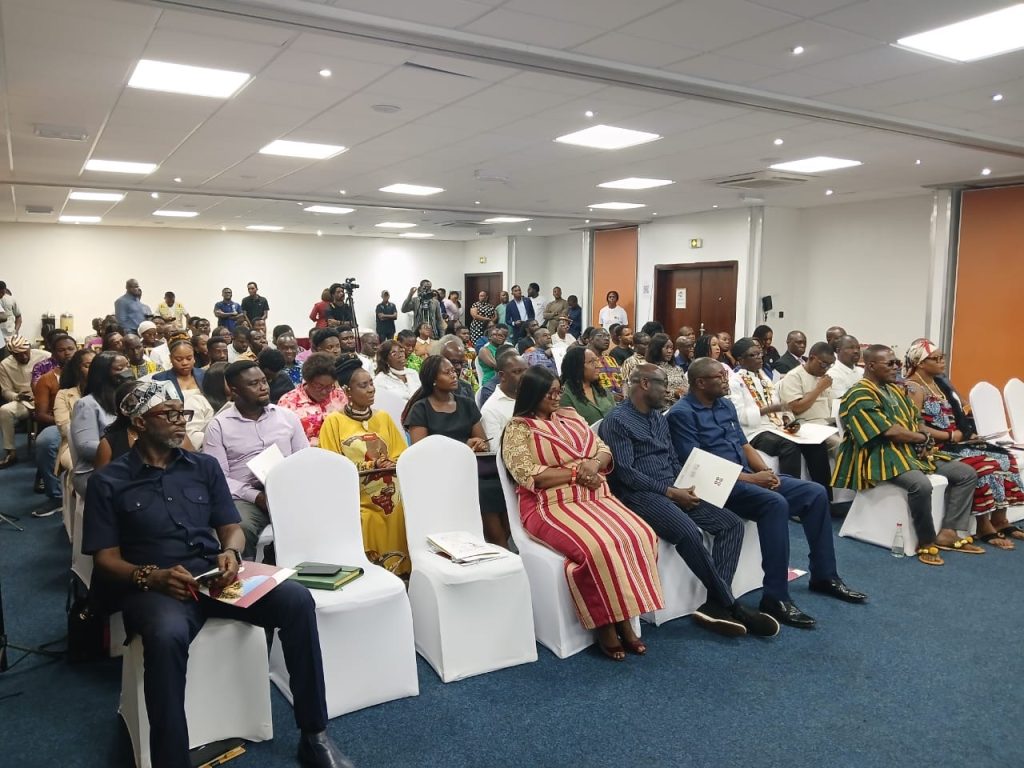
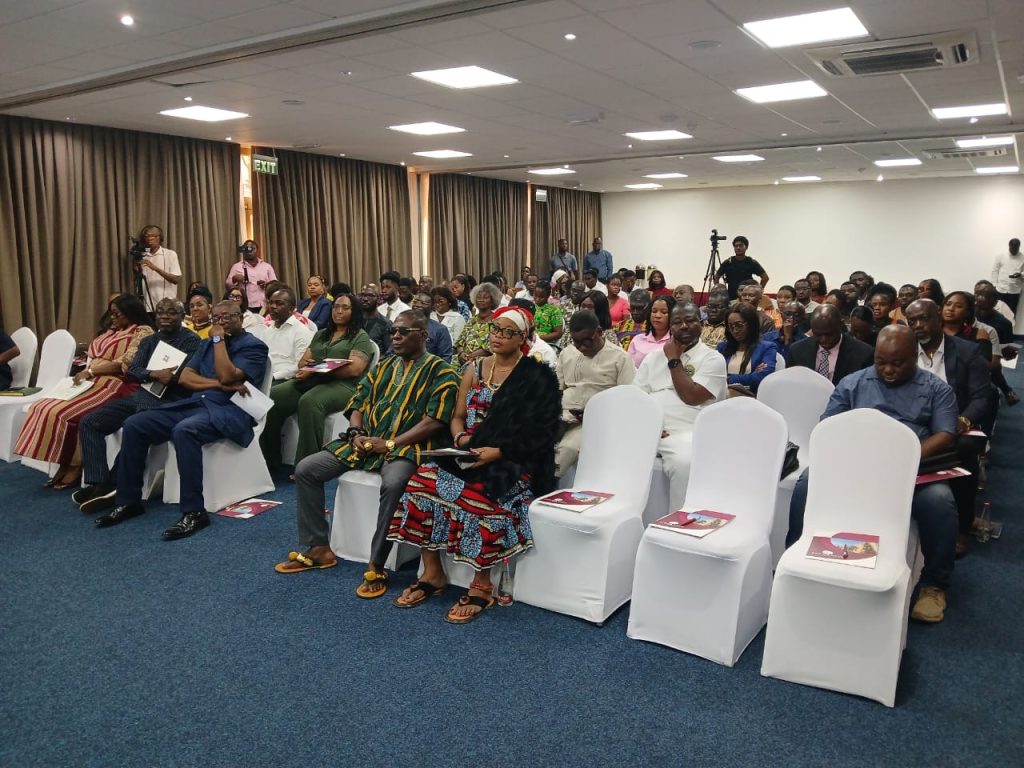
The Ghana Tourism Authority (GTA) has launched the Ghana Tourism Information System (GTIS), a new digital platform designed to simplify licensing procedures, improve regulation, and combat fraud within the tourism sector.
Speaking at the launch in Accra on Tuesday (19 May), the Chief Executive Officer of the GTA, Maame Efua Houadjeto, said the initiative forms part of efforts to modernise tourism administration and improve service delivery in the industry.
According to her, public institutions can no longer rely on outdated systems and manual processes in a rapidly evolving digital era.

“Business as usual can no longer be accepted. Institutions must evolve, systems must improve, and public service must become smarter, faster, more transparent, and more responsive to the needs of the people,” she said.
Houadjeto noted that many tourism operators across the country have faced challenges with licensing renewals, regulatory access, payments, and verification processes, often requiring long-distance travel and dealing with delays.
More Read

She explained that the GTIS platform will allow operators to apply for licences, renew permits, manage records, file returns, and make payments online with greater convenience and efficiency.
“Today, we are changing that story,” she stated.
A major feature of the system, she explained, is a licence verification module that will enable members of the public to confirm the legitimacy of tourism establishments before engaging their services.
“We experience a lot of fraud, a lot of fake people in the system, and I think this will go a long way to help us,” she said.
The CEO stressed that the move is not only about convenience but also about restoring public confidence in Ghana’s tourism sector and protecting consumers from fraudulent operators.
She described tourism as more than leisure and hospitality, saying the industry represents business, employment, culture, investment, and national identity.
“Tourism is not just about nature. Tourism is business. Tourism is employment. Tourism is culture. Tourism is investment. Tourism is national identity,” Houadjeto emphasised.
She added that the GTA’s broader vision is to make tourism one of Ghana’s leading contributors to economic growth, but achieving that objective would require reliable data systems and real-time industry information.
As part of the next phase of the initiative, the authority plans to introduce a customer service register module that will help capture tourism activity data nationwide in real time.
According to her, the information gathered will support evidence-based policymaking, investment planning, growth interventions, and targeted support programmes for the industry.
Houadjeto therefore urged tourism operators to fully embrace the system to ensure its success.
“The success of this initiative depends on collaboration. When industry players participate actively, the industry becomes stronger, more visible, more organised, and more competitive,” she noted.

She also commended the Ministry of Tourism, the GTA board, technical developers, and staff of the authority for supporting the digital transformation agenda.
“The future of tourism in Ghana is digital. The future of tourism in Ghana is connected. The future of tourism in Ghana begins now,” she said.