The Ghana Maritime Authority (GMA) is seeking to overhaul port operations through the implementation of Just-In-Time sailing and Port Call Optimisation measures aimed at cutting vessel waiting time and improving the competitiveness of Ghana’s ports.
The Authority says the successful implementation of proposals emerging from a recent industry workshop could improve vessel turnaround and reduce operational inefficiencies affecting shipping lines and other maritime businesses.
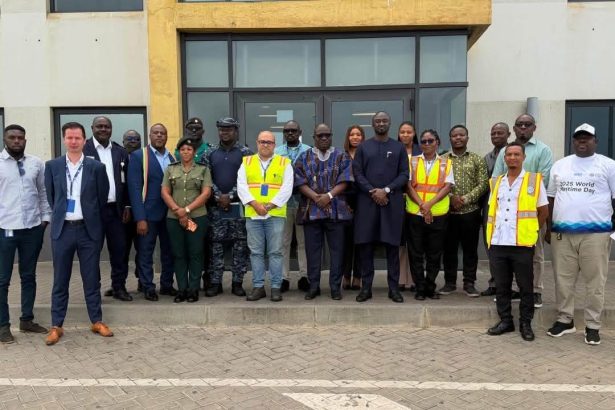
Deputy Director-General of the GMA, Mubarick Masawudu, made the case for accelerated implementation at the second Just-In-Time Sailing and Port Call Optimisation Workshop held at MPS Terminal 3 in Tema.
A major proposal is the establishment of a Maritime Single Window, which would allow maritime stakeholders to process and exchange information electronically through a common platform.
Mr Masawudu said the GMA would work towards securing the legislative framework required to make the system operational.
The workshop brought together the major institutions involved in port operations, including the Ghana Ports and Harbours Authority, Ghana Revenue Authority Customs Division, Port Health, Ghana Immigration Service, Meridian Port Services, shipping lines and agents.
Discussions identified bottlenecks in areas including Port Health procedures, tug and pilot operations, berth allocation, customs clearance, documentation and vessel arrival and departure processes.
The objective is to tackle these delays and improve vessel turnaround time, which has direct implications for the cost and competitiveness of maritime trade.
Director of Tema Port, Tebon Zumah, said the industry must also prepare for the transition towards green energy while improving operational efficiency.
He called for the expansion of Just-In-Time sailing practices beyond the current operations to all terminals at Tema Port and the Takoradi Port.
The initiative forms part of the IMO-GreenVoyage2050 Just-In-Time Sailing Project, which is seeking to reduce avoidable vessel waiting time and support the development of a digitally enabled and sustainable maritime industry.
For Ghana, stakeholders say the success of the reforms will depend largely on coordinated implementation across the agencies and private-sector operators responsible for moving cargo through the ports.