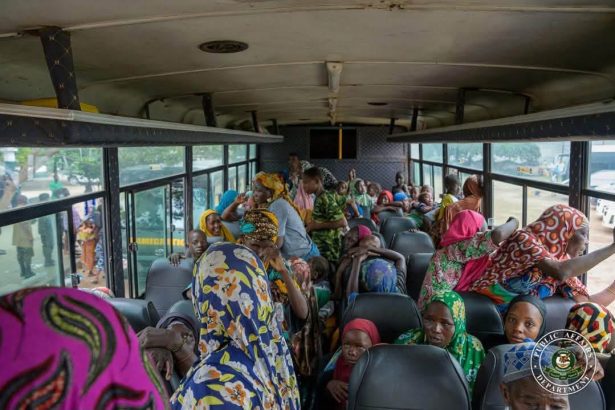
The Ghana Immigration Service (GIS) has apprehended 1,055 West African nationals in an intelligence-led operation targeting suspected human trafficking and organised street-begging networks in the Greater Accra and Ashanti regions.
The operation, conducted in the early hours of Saturday, August 29, 2026, targeted suspected criminal syndicates accused of trafficking, controlling and exploiting vulnerable foreign nationals, particularly women and children, through forced begging.
Of the 1,055 people apprehended, 662 were children, 248 were women and 145 were men. The GIS said the high number of children rescued raises serious concerns about a growing pattern of child trafficking for forced begging on Ghanaian streets.
The majority of those picked up were West African nationals, with reports indicating that Nigeriens formed the largest group.
The operation covered several known street-begging hotspots in Greater Accra, including Abossey Okai, Sabon Zongo, Madina Zongo Junction, Madina, Ashaiman and Tema. In the Ashanti Region, officers also conducted operations in Asawase, Alabar, Akwatia Line, Dagomba Line, Sabon Zongo, Airport Junction and Aboabo in Kumasi.
More Read
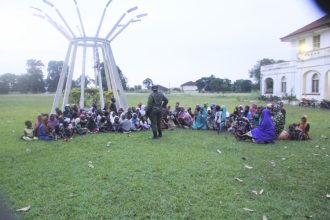
Several Ghanaian nationals suspected of acting as local agents for the alleged exploitative networks were also detained as investigators work to establish the structure of the syndicates and identify those facilitating the movement and exploitation of the victims.
In a dramatic development during the operation, a Nigerien woman in custody complained of feeling unwell. A medical team examined her and discovered that she was in labour. She was taken to a nearby health facility, where she delivered a baby girl on the same day. She remains under medical observation and is receiving care.
The GIS said all those rescued or apprehended had been transferred to a designated holding centre for profiling and immigration processing. The Service is also working with the Ministry of Gender, Children and Social Protection and other stakeholders to ensure that victims, particularly the children, receive appropriate care and protection.
The Comptroller-General of Immigration, Samuel Basintale Amadu, has meanwhile urged the public to stop giving alms directly to migrant beggars, especially children, arguing that such donations can create financial incentives for organised begging networks and traffickers.