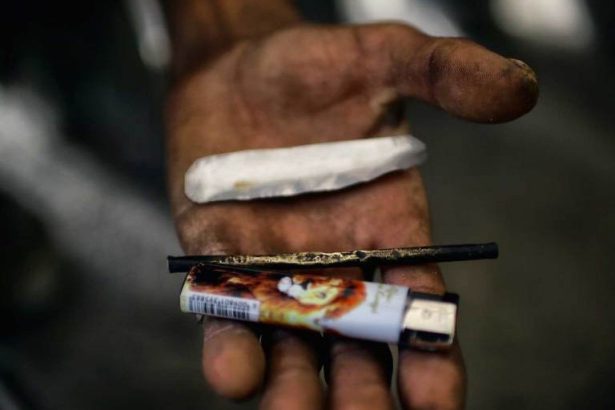
The future of Ghana’s youth is increasingly under threat as drug abuse continues to rise among young people across the country. Recent revelations by the Minister for the Interior have brought the issue into sharp national focus.
Speaking in an interview on Pan African TV on Saturday, May 23, the Minister for the Interior, Mohammed Muntaka Mubarak, disclosed that more than 6,000 applicants were disqualified during the medical screening stage of the ongoing security services recruitment exercise. According to him, over 100,000 applicants underwent medical examinations, with more than 4,000 failing drug tests, while nearly 2,000 others were rejected on mental health grounds.
Although drug abuse is a global problem affecting people of all ages and genders, the growing involvement of Ghanaian youth is deeply alarming. The misuse of hard drugs such as cocaine, heroin, methamphetamine, and prescription opioids has become a serious concern. In Ghana, the abuse of tramadol and codeine-based syrups has also escalated in recent years.
Drug abuse among young people is not simply a personal failure or a criminal matter. It is a national social crisis that threatens families, communities, and the country’s long-term development.
According to the 2021 Population and Housing Census, about 38 percent of Ghana’s population falls within the 15 to 35 age bracket. In addition, the 2022 Ghana Demographic and Health Survey revealed that nearly 40 percent of the population is under the age of 15. This places Ghana among countries with a significantly youthful population, often described as a potential demographic dividend capable of driving economic growth, innovation, and social transformation.
More Read

Unfortunately, that promise is being undermined by the increasing use of hard drugs among the youth. Rising unemployment, peer pressure, weak social support systems, inadequate mental health services, and the glamorisation of substance abuse on social media have all contributed to the vulnerability of young people.
The consequences are severe. Many young people battling addiction suffer from mental health disorders, organ damage, and increased exposure to infectious diseases. At a stage in life when they should be building careers, acquiring skills, and contributing meaningfully to society, many instead find themselves trapped in dependency and hopelessness.
Addressing this growing crisis requires more than occasional campaigns or strict policing. Ghana needs a coordinated national strategy that tackles the root causes of drug abuse while strengthening prevention, rehabilitation, mental health support, education, and job creation.
With strong political commitment, community involvement, and targeted investment in the youth, Ghana can still protect its greatest asset and secure a healthier and more prosperous future for generations to come.