For decades, cocoa formed the backbone of Ghana’s economy. It employed thousands of farmers, sustained entire communities, and contributed more to national development than any other cash crop. Today, that backbone is dangerously fractured.
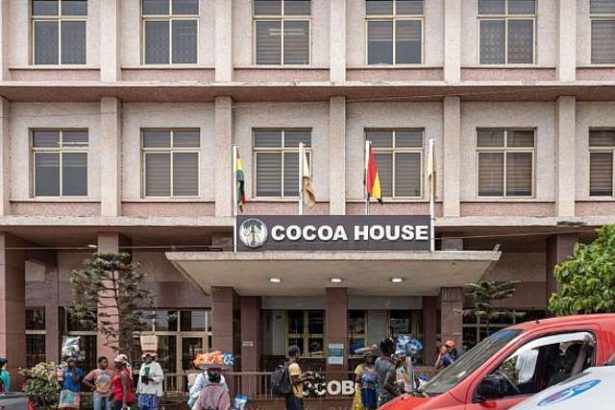
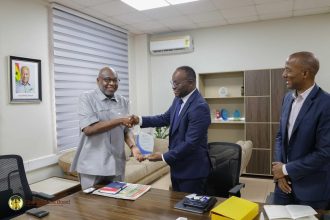
Listening to the Chief Executive Officer of the Ghana Cocoa Board (COCOBOD), Dr Randy Abbey, one cannot escape the gravity of the situation. Forced out of the comfort of his office and onto radio and television platforms, the CEO, has been laying bare the dire financial and operational condition of a once-proud national institution. If urgent steps are not taken, COCOBOD a strategic state institution, risks sliding into extinction.
This decline is sadly familiar. Since the overthrow of Ghana’s first president, Dr Kwame Nkrumah, several state-run institutions, have been run aground, largely due to corruption and mismanagement by those entrusted with their leadership.
Ghana Airways, which once proudly flew the national flag across continents, is again in the news as government attempts to resurrect what was destroyed through years of poor stewardship.
Dr Abbey’s revelations place COCOBOD firmly within this troubling historical pattern. He has described the institution’s current position as the most precarious in its nearly 80-year history.
According to him, COCOBOD, which recorded a positive equity balance of GH¢1.8 billion in 2016. By 2024, this had deteriorated into a staggering negative equity position of GH¢3.8 billion.
This crisis is not merely a COCOBOD problem. It is a national economic emergency. Cocoa remains central to Ghana’s foreign exchange earnings, rural livelihoods, and social stability. When COCOBOD falters, the entire economy feels the strain.
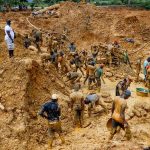
As a newspaper, we believe these disclosures demand immediate action from the Office of the Attorney General. Farmers who resisted coercion from illegal miners and refused to sell their lands must not be made to regret their patriotism. The rot that has brought COCOBOD to this point did not happen overnight, nor did it happen without human agency.
President John Dramani Mahama’s decision to summon an emergency Cabinet meeting today, Wednesday, February 11, is therefore timely. The cocoa sector is under immense pressure from severe financing constraints to delayed payments to farmers and other actors along the value chain. These challenges threaten not only the stability of the industry but also its future viability.
Ghanaians are no longer interested in long speeches or recycled promises. They expect clear, actionable solutions. Cabinet must go beyond diagnosis and ensure accountability. As much as possible, the Attorney General, must be directed to investigate and prosecute all individuals whose actions or inaction contributed to this colossal debt and institutional decay.
The talking has gone on for too long. Too much went wrong over the past eight years, and yet the current administration appears to be dragging its feet in holding those responsible to account. Justice delayed in this matter is justice denied, not just to the state, but to the hardworking cocoa farmers whose sacrifices have sustained this nation for generations.
If cocoa collapses, Ghana pays the price. The time to act is now.