Ghana is sharpening its industrial policy around sectors with the potential to expand domestic manufacturing, create jobs and reduce dependence on imported products.
The Ministry of Trade, Agribusiness and Industry (MoTAI) has placed four recently Cabinet-approved policies at the centre of its public engagement drive, highlighting their potential role in reshaping key areas of the economy.
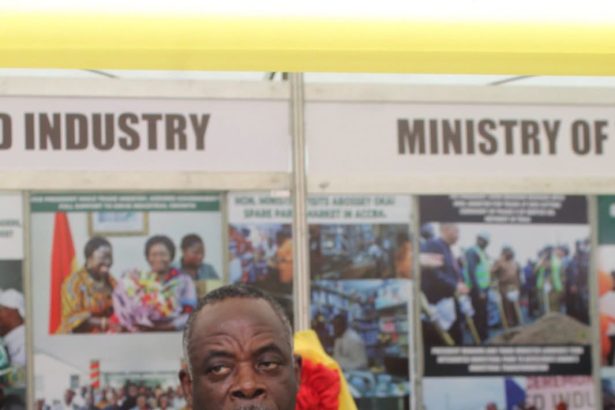
The policies were showcased at the 2026 Civil Service Policy and Exhibition Fair organised by the Office of the Head of the Civil Service at the Accra Sports Stadium.
Among the major policy areas presented by MoTAI were pharmaceuticals, textiles and garments and automotive manufacturing.
The Ministry used the four-day event, which ended on Thursday, August 13, to explain the objectives of the policies and their expected contribution to industrialisation, employment and economic growth.
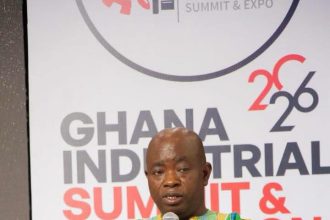
For businesses, the policy focus signals government’s continued attempt to strengthen domestic productive capacity and create an environment in which more economic value can be generated locally.
MoTAI and its agencies displayed photographs and information on programmes implemented over the past year, while officials engaged visitors on the Ministry’s mandate and policy direction.
The Head of the Civil Service, Dr Evans Aggrey-Darkoh, commended the Ministry’s presentation during a visit to its exhibition alongside MoTAI’s Chief Director, Noah Tumfo.
MoTAI also took part in a cooking competition organised as part of the exhibition fair and received certificates of participation.
The Ministry says the exercise reflects its commitment to transparency and stakeholder engagement.
But the bigger economic test for the newly approved policies will be their implementation—and whether they translate into increased domestic production, stronger local businesses and sustainable jobs.
Ghana’s industrial policy agenda will therefore increasingly be judged not only by the policies announced, but by the investment, production and employment they generate.