Ghana has called for stronger international partnerships and innovative climate financing to accelerate Africa’s transition to a circular economy, as the country seeks to strengthen its climate resilience and promote sustainable development across the continent.
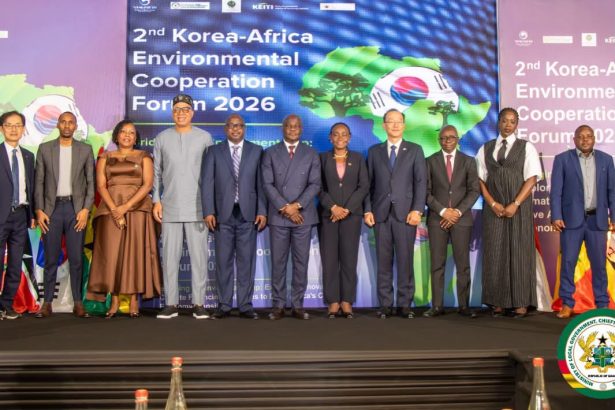
The Minister for Local Government, Chieftaincy and Religious Affairs, Ahmed Ibrahim, made the call while delivering the keynote address at the second Korea–Africa Environmental Cooperation Forum held in Accra.
He said Africa’s transition to a circular economy requires increased investment, stronger global collaboration and practical financing mechanisms capable of supporting climate-resilient infrastructure and green industrial growth.
According to the Minister, Ghana has made significant progress in sustainable waste management through strategic investments that have transformed the country’s waste management sector.
He disclosed that Ghana has established more than 50 waste treatment and resource recovery facilities nationwide, a development that has contributed to the country’s emergence as the West Africa Waste Management Hub.
More Read
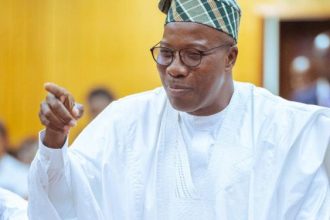
Ahmed Ibrahim noted that while Africa accounts for less than four per cent of global greenhouse gas emissions, the continent remains one of the regions most severely affected by climate change.
He stressed that the disparity underscores the urgent need for developed countries and development partners to increase support for climate adaptation and resilience initiatives across Africa.
“The continent requires innovative climate financing and stronger partnerships to build resilient infrastructure capable of withstanding the growing impacts of climate change,” he said.
The Minister reiterated Ghana’s commitment to deepening cooperation with the Republic of Korea and other international partners to mobilise climate finance and strengthen carbon market initiatives.
He said the collaboration would also help create green jobs, promote sustainable economic growth and support the development of cleaner and more resilient communities across Africa.
Ahmed Ibrahim further emphasised that advancing the circular economy presents significant opportunities for economic transformation by reducing waste, promoting resource efficiency and creating sustainable employment opportunities.
He expressed confidence that stronger cooperation between African countries and international partners would accelerate the continent’s environmental sustainability agenda while supporting inclusive economic development.
The Korea–Africa Environmental Cooperation Forum brought together government officials, development partners and environmental experts to discuss collaborative strategies for addressing climate change, promoting sustainable waste management and advancing green growth initiatives across Africa.