The recent outbreaks of Ebola virus disease, declared a public health emergency by the World Health Organization (WHO) in Uganda and the Democratic Republic of Congo, have understandably raised concerns about the possibility of the disease re-entering Ghana.
Reports indicate that as of May 18, 2026, nearly 100 people have died, while at least 395 suspected cases have been recorded. Ghana, already grappling with several health challenges, cannot afford an Ebola outbreak at this critical time.
It is important to recall that the devastating Ebola outbreak in West Africa between 2014 and 2016 claimed more than 11,000 lives, mainly in Guinea, Liberia, and Sierra Leone. Although Ghana did not record any confirmed Ebola case during that period, the country remained highly vulnerable because of its proximity to affected nations. Suspected cases reported in Kumasi and Tamale were eventually declared negative.
Nonetheless, Ghana spent heavily on preparedness efforts, including the deployment of surveillance teams, the establishment of isolation centres, and the training of more than 2,000 health workers.
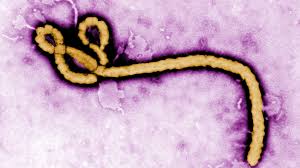
Ebola, officially known as Zaïre Ebola Virus (EBOV), is a rare but severe and often fatal infectious disease that affects both humans and animals. In Africa, more than half of those infected do not survive. Symptoms may appear between two and 21 days after infection, though they usually emerge within a week. Early signs often resemble severe flu or malaria and include diarrhoea, fatigue, vomiting, muscle pain, and headaches.
The virus attacks the immune system aggressively, spreading rapidly throughout the body and causing internal bleeding and multiple organ failure. Ebola is transmitted through direct contact with bodily fluids such as blood, saliva, sweat, urine, or faeces of infected persons. Rapid isolation of suspected patients is therefore critical in preventing further spread.
Importantly, Ebola is not spread through the air or by mosquitoes. However, the disease remains difficult to combat because there is currently no universally accessible cure or treatment, while vaccines and newer treatment methods are still limited in availability.
It is therefore reassuring that the Ministry of Health has activated precautionary measures nationwide in collaboration with international health partners to strengthen Ghana’s preparedness and response systems.
According to the Ministry, surveillance and screening at airports, seaports, and land borders have been intensified, while travellers arriving from affected countries are being closely monitored.
The public has also been advised to remain calm and observe preventive measures such as regular handwashing, avoiding contact with bodily fluids of sick persons, and promptly reporting suspected symptoms to the nearest health facility.
In light of these developments, we urge the government and all relevant stakeholders to intensify surveillance, particularly at Accra’s international airport and major land borders with heavy human traffic. The Ghana Health Service must also rigorously implement its preparedness plans to prevent any outbreak of the deadly virus in the country.
Ghana cannot afford complacency. Vigilance, preparedness, and public cooperation remain our strongest defence against Ebola.