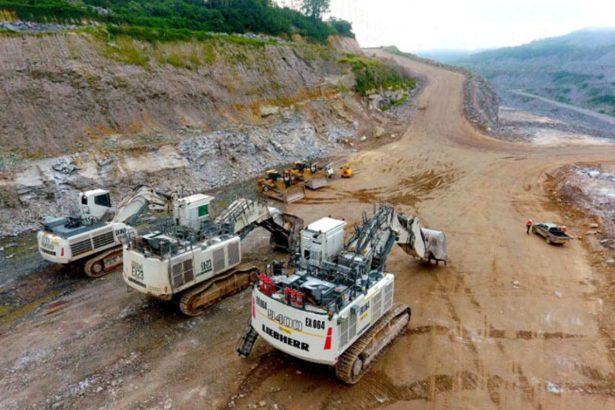
Black Volta and Sankofa gold projects in Ghana’s Upper West Region are set for revival following the acquisition of Azumah Resources Ghana Ltd and Upwest Resources Ghana Ltd by Engineers & Planners (E&P), one of West Africa’s largest indigenous mining contractors.
The transaction, formally completed with the Registrar of Companies and the Minerals Commission, involves the transfer of all issued shares of the Ghanaian beneficial owner.
It marks a transformative moment for Ghana’s mining sector, signalling renewed momentum for projects that have languished for nearly two decades.
For years, the Black Volta and Sankofa concessions have promised significant potential but suffered setbacks due to capital shortfalls, shifting investor priorities, and protracted legal disputes.
Their revival comes at a time when gold prices remain above US$3,000 per ounce, providing a compelling backdrop for investment as Ghana seeks to bolster fiscal revenues under an IMF programme.
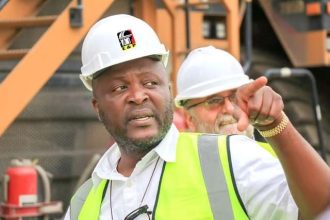
E&P, founded in 1997 and renowned across West Africa for its mining and civil engineering expertise, has committed to advancing the projects through a structured three-step plan.
First, it will collaborate with the Ghana Revenue Authority (GRA) to audit historical loans, ensuring transparency and compliance.
Second, it intends to repay all verified debts, safeguarding creditors’ interests while maximising state revenues.
Finally, the company plans to deploy secured funding to accelerate mine development.
“This is a proud moment for E&P and for Ghana,” said Ibrahim Mahama, Executive Chairman of Engineers & Planners. “Our commitment is to ensure that these projects, which have been dormant for too long, finally deliver real value to our country and its people.”
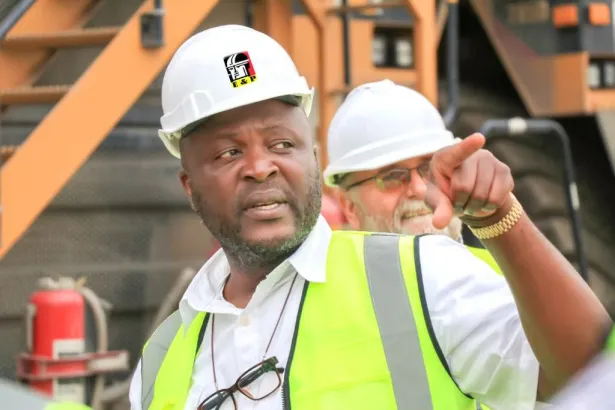
The acquisition underscores a shift towards greater Ghanaian participation in an industry traditionally dominated by foreign multinationals.
For years, offshore entities held control over the concessions but failed to mobilise the necessary capital to advance development. By taking ownership, E&P is not only stepping into the role of operator but also reshaping the narrative of local ownership in Ghana’s extractive industry.
Market observers see the deal as a potential game-changer. If successful, E&P’s move could bolster calls for increased localisation of mining assets, ensuring that more value remains in-country.
Failure, however, could reinforce scepticism over whether indigenous firms can mobilise the vast capital and technical expertise required to develop world-class gold mines.
For communities in Wa and the surrounding districts, the announcement has been met with cautious optimism. Years of unfulfilled promises have left scars, but the prospect of employment, infrastructure development, and community investment remains attractive. Civil society groups are already calling for robust community engagement, environmental safeguards, and equitable benefit-sharing arrangements.
“We have seen too many projects where local people remain poor while billions are extracted from beneath their feet,” one activist remarked. “E&P must prove it will be different.”
For the government, the deal offers a timely boost. New investment in the mining sector strengthens the narrative of economic recovery, supports job creation, and promises additional revenue streams to underpin fiscal consolidation efforts.
Ultimately, the acquisition of Azumah Resources Ghana Ltd and Upwest Resources Ghana Ltd represents more than a corporate restructuring; it is a test case.
Its success would demonstrate the capacity of Ghanaian companies to lead major mining projects, capturing more value for the economy. Its failure would risk reinforcing old dependencies.
For now, optimism prevails. A stalled project has been revived, a Ghanaian company has taken the reins, and both investors and communities are watching closely to see if E&P can translate promise into production.