Africa is stepping up efforts to transform its maritime sector into a sustainable, climate-resilient engine of trade and regional integration. The ECOWAS Commission is spearheading this drive, aligning environmental priorities with economic competitiveness.
The Continental Validation Workshop on Green Ports Guidelines, Maritime Greenhouse Gas Emissions Reduction, and the Revised African Maritime Transport Charter (2010) marks a move from policy deliberation to actionable implementation across the continent.
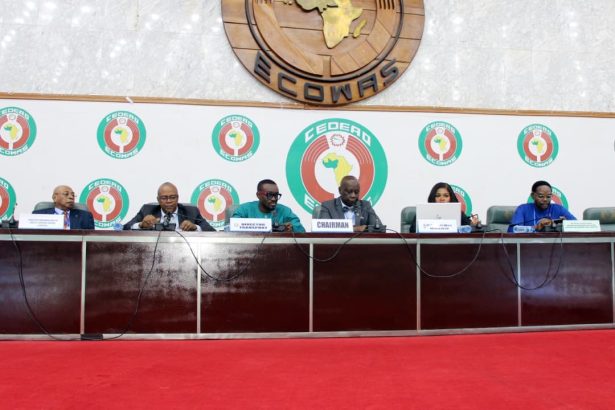
Held over two days at the ECOWAS Headquarters in Abuja, Nigeria, on 24 March 2026, the workshop was organised in close collaboration with the African Union Commission. It convened technical experts, institutional stakeholders, and representatives from Member States to consolidate priorities and develop cohesive continental frameworks.
Key discussions focused on enhancing port efficiency, accelerating the adoption of green infrastructure, improving regulatory coordination, and ensuring Africa’s shift to sustainable shipping is inclusive, development-oriented, and aligned with broader continental integration goals.
ECOWAS officials emphasised that the workshop serves not just as a technical forum, but as a platform to build consensus on concrete, actionable measures. Strategies to reduce maritime greenhouse gas emissions, promote environmentally friendly port operations, and harmonise policies across Member States were central to the deliberations.

The initiative reinforces ECOWAS’ role as a driver of continental convergence, translating high-level policy commitments into practical, on-the-ground action. By linking environmental sustainability with trade competitiveness, Africa aims to position its ports and shipping sector to meet global climate targets while supporting regional economic growth.
The validation process is expected to produce a framework guiding Member States on green ports and maritime decarbonisation, ensuring Africa’s maritime industry aligns with international best practices and climate commitments.
This landmark workshop underscores the growing determination of regional institutions to harmonise environmental objectives with economic development, signalling Africa’s proactive engagement in the global maritime sustainability agenda.