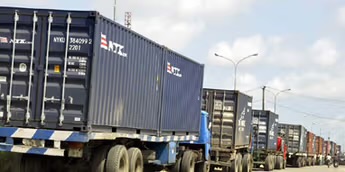
Côte d’Ivoire has eliminated the need for customs visas previously required by Mali and Burkina Faso on export declarations, a move aimed at speeding up cargo flow to inland West African markets.
Announced in a circular on 31 March 2026 by Director General of Customs, General Da Pierre A., the decision comes after the rollout of digital transit systems that provide secure, real-time tracking of goods destined for Mali and Burkina Faso.
The policy removes a long-standing administrative hurdle that required approvals from foreign customs offices before exports could proceed. Initially introduced to enhance oversight and data accuracy, the requirement had increasingly slowed cargo movement amid growing trade volumes through Abidjan’s ports.
The reform leverages the T1 Transit Management Module with Mali and the Interconnected Transit Goods Management System (SIGMAT) with Burkina Faso.
These platforms allow customs brokers to submit declarations directly to Ivorian authorities while maintaining transparent monitoring throughout the transit process.

The change coincides with broader regional shifts following the creation of the Alliance of Sahel States (AES) by Mali, Burkina Faso, and Niger after their exit from ECOWAS.
The AES aims to remove trade barriers among member states, though its landlocked members remain reliant on coastal routes, particularly through Côte d’Ivoire, to access global markets.
By removing the visa requirement, Côte d’Ivoire strengthens its position as a key transit hub while modernising its logistics and adapting to the evolving West African trade landscape.
Licensed customs brokers can now submit declarations directly to Ivorian offices, a step expected to reduce delays and improve overall trade efficiency.