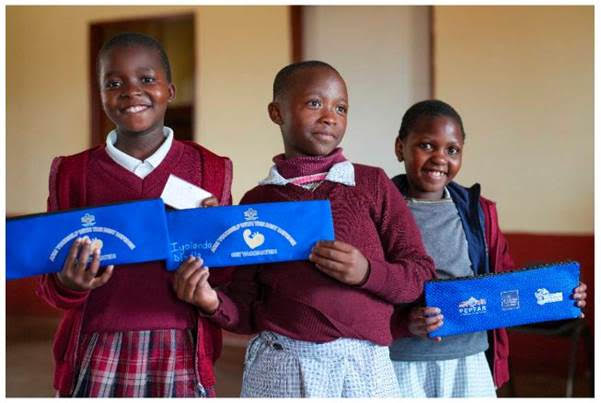
More than 1 million cervical cancer deaths have been prevented, and an estimated 86 million girls are now protected against the leading cause of cervical cancer, thanks to a concerted three-year effort by Gavi, the Vaccine Alliance and lower-income countries.
This milestone, announced on the first World Cervical Cancer Elimination Day, follows a major revitalisation of Gavi’s HPV vaccine programme that began in 2023.
“Every two minutes, a woman dies from cervical cancer – a disease that is both devastating and largely preventable,” said Dr Sania Nishtar, CEO of Gavi, the Vaccine Alliance. “In 2023, Gavi, in partnership with countries across the world, launched an ambitious campaign to protect 86 million girls against the primary cause of cervical cancer and prevent more than a million deaths.
Thanks to incredible commitment from countries, partners, civil society and communities, we have now reached that target ahead of schedule. This collaborative effort is driving major global progress towards eliminating one of the deadliest diseases affecting women.”
Cervical cancer strikes hardest in lower-income countries, which often lack screening services and equitable access to treatment. As a result, these countries account for 90% of the 350,000 deaths from cervical cancer recorded in 2022.
More Read
Yet a safe and effective vaccine exists. The HPV vaccine – which protects against the human papillomavirus, the primary cause of cervical cancer – is highly effective, averting 17.4 deaths for every 1,000 children vaccinated.
When Gavi launched its HPV vaccine programme in 2014, access to the vaccine remained limited and inequitable due to inadequate vaccine supply, lack of data on effective delivery methods, and lack of awareness of the importance of HPV vaccination.
In Africa – home to many Gavi-supported countries and among the regions hardest hit by cervical cancer – coverage stood at 4%. Over the next eight years, Gavi worked with countries, partners and manufacturers to overcome challenges.
By the end of 2022, Gavi-supported HPV vaccinations had protected more than 13 million girls, yet coverage was still far from optimal – global coverage stood at just 14% of eligible girls, and in Africa, at 15%.
In 2023, Gavi announced its intention to revitalise its HPV vaccine programme – with an ambitious target to protect 86 million girls by the end of 2025.
Thanks to a three-year effort supported and coordinated by Gavi – and led and enabled by unprecedented commitment from national governments, civil society and partners across Gavi-eligible countries – this target has now been reached ahead of schedule.
These efforts are estimated to have prevented 1.4 million cervical cancer deaths and, with more than 50 countries introducing the vaccine with Gavi support by the end of 2025, the vaccine will be available in countries that collectively account for 89% of all cervical cancer cases globally.
By the end of 2024, coverage in Africa had risen to 44% – surpassing coverage rates in Europe (38% by end 2024). HPV vaccine coverage across all Gavi-supported countries also steadily increased to 25% by end 2024, compared to 8% in 2022.
This investment in HPV vaccines is not only saving lives: it also generates measurable economic returns and helps to build stronger, more resilient communities.
The prevention of illness and death from cervical cancer between 2014 and 2024 across all Gavi-supported countries will generate more than US$ 2.3 billion in economic benefits.
OVERCOMING BARRIERS TO SAVE LIVES
This ambitious push was enabled by the Alliance’s relentless focus on affordable access and overcoming barriers. By applying its market shaping expertise to lower the cost of vaccines while driving up supply by offering manufacturers guaranteed volumes, Gavi secured commitments from manufacturers to invest in HPV vaccines – and the price of HPV vaccines in Gavi-supported countries is now between US$ 2.90 and US$ 5.18 per dose, compared with US$ 100 or more elsewhere. Gavi and partners also spent years working with countries to prioritise vaccination against cervical cancer and to plan for large-scale immunisation activities once sufficient supply was available.
Partners also invested in data on how to effectively reach adolescent girls and critical vaccine efficacy studies. In 2022, the World Health Organization was able to officially recommend a single-dose HPV vaccine schedule (compared to two doses previously), enabling countries to reach twice as many girls with existing supply.
Next steps
Building on the momentum of this large global effort, Gavi’s support will enable up to seven more countries to integrate the HPV vaccine into their national immunisation programmes in the coming months.
This week, large-scale campaigns in Sierra Leone and Liberia are expanding protection to girls up to 18 years old, reaching those who previously missed out and advancing the global effort to ensure equitable access to vaccines and eliminate cervical cancer as a public health threat.