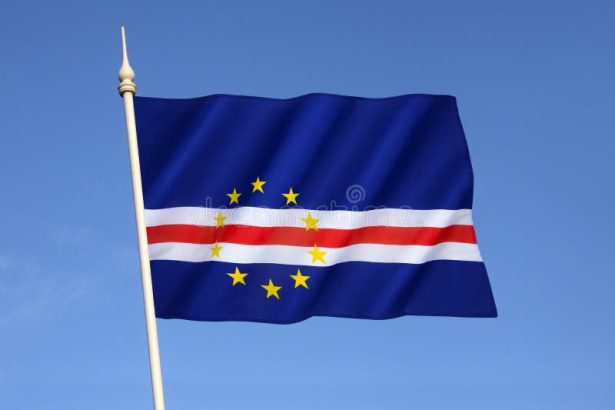
Cabo Verde has emerged as the most educated country in West Africa, according to education indicators aligned with the United Nations Educational, Scientific and Cultural Organization (UNESCO).
The assessment places the island nation ahead of its regional peers based on performance in adult literacy, school enrolment and access to basic education.
UNESCO-aligned data indicate that Cabo Verde’s literacy rates are significantly higher than the West African average, reflecting sustained improvements in education participation over several decades.
Education experts attribute Cabo Verde’s performance to long-term public investment in education, including free and compulsory basic schooling, nationwide literacy programmes and continuous teacher training.
Observers note that the country’s progress has been gradual rather than abrupt, driven by policy continuity and a deliberate focus on inclusive access to education across its islands.
More Read

Despite its relatively small population, Cabo Verde’s education outcomes compare favourably with those of larger countries in the sub-region.
Across West Africa, countries such as Ghana and Senegal have recorded notable gains in tertiary education and university enrolment. However, UNESCO data show that disparities in literacy rates and school completion remain widespread.
The organisation has repeatedly highlighted persistent challenges in the region, including infrastructure deficits, shortages of trained teachers and limited access to education in rural areas.
UNESCO observers say Cabo Verde’s leading position underscores the impact of sustained investment and policy discipline in education, even within resource-constrained environments.
The organisation continues to urge West African governments to prioritise education as a cornerstone for economic growth, social stability and long-term development.