
Fresh controversy has erupted over Ghana’s participation in the 2026 FIFA World Cup, following allegations of ticket profiteering and calls for Sports and Recreation Minister Kofi Adams to conduct an independent investigation into claims of corruption surrounding player selection for the Black Stars.
Veteran sports journalist Bright Kankam Boadu has alleged that tickets intended for Ghanaian supporters during the tournament in the United States were resold at highly inflated prices, depriving many fans of the opportunity to watch the national team.
There are claims that those put in charge made between US$700,000 and US$800,000 in profit from the tickets the President, John Mahama, announced would be shared for free to enable Ghana fans to watch the senior national team in the just-ended Mundial in Canada, Mexico, and the United States of America.
Separately, Bilal Muazu Sulemana, former Chief Executive Officer of Yeji Stars Football Club, has submitted an open letter to the Minister for Sports and Recreation, Kofi Adams, petitioning him for an independent, impartial and transparent investigation into allegations concerning the Black Stars’ player selection process, saying allegations are that football officials demanded money from those selected.
Speaking on the ticket issue last week in a viral video, Mr Boadu questioned the whereabouts of tickets reportedly allocated to the Government of Ghana.
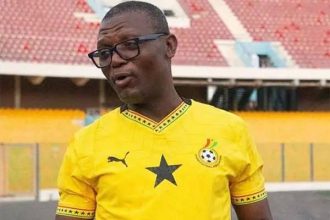
“My concern is the tickets the government bought. They said they were going to send 800 fans, which means there were 800 tickets per game allocated to the government. So where were the tickets? Were they the ones the ministries were selling?” he asked.
According to the journalist, Ghanaian supporters were not expecting complimentary tickets but were prepared to purchase them at their official prices.
“Ghanaians didn’t ask for free tickets but sell them to them at a good value,” he said.
Mr Boadu further alleged that tickets with an official face value of US$60 were being resold for between US$700 and US$800 by individuals seeking to make substantial profits.
“Tickets that were US$60 were being sold for US$700. A fellow Ghanaian was selling this just so he could get the profit. He didn’t care if the team lost as long as he sold the tickets. Some were sold at US$800,” he alleged.
The allegations have not been independently verified, and no official response has been issued at the time of filing this report.
In the petition, Mr Sulemana cited media reports alleging that a Ghanaian striker, Prince Owusu, based in Canada, was asked to surrender 70 per cent of his appearance fees and bonuses as a condition for receiving a call-up to the national team.
He acknowledged that the allegations remain unverified but described them as sufficiently serious to warrant a thorough investigation.
The Herald had sighted a viral video on social media in which a lady claiming to be a relative of Prince Owusu, who was born to a Ghanaian father in Germany and captains the Montreal Football Club, was initially called up to play for Ghana, but later dropped.
The lady, who identified herself as a cousin of the footballer, said the footballer’s father, who is her uncle, told her that the football management demanded 70 per cent of his earnings in a signed contract before allowing him to play for his father’s country.
Swearing on her late mother’s grave, the lady opined that it is obvious that players were imposed on the coach rather than allowing him to get the right materials to play for the national team.
The player’s father’s plea for a 50-50 deal during a meeting was rejected by football management. They had promised to get back to him on the 50-50 arrangement, but did not; hence, Prince, whom she described as a prolific goal scorer for his club, couldn’t play for Ghana.
Referring to Carlos Queiroz, the veteran Portuguese football manager of Black Stars, she said: “I think he doesn’t have a say”.
She promised to make Prince’s father available for an interview.
“While these allegations remain unverified, they are extremely serious and have the potential to undermine public confidence in the integrity of Ghanaian football. As such, they warrant a thorough and independent investigation,” the petition stated.
Mr Sulemana also referred to previous public comments by former Black Stars midfielder Sulley Ali Muntari, who had raised concerns about alleged unethical practices in the management of the national team.
Although those earlier claims have not been conclusively established, Mr Sulemana argued that the recurrence of similar allegations justified an independent inquiry in the interests of transparency and accountability.
He maintained that the credibility of Ghanaian football depends on a player selection system that is transparent, merit-based and free from corruption, financial inducement or undue influence.
According to the petition, an investigation would either clear the names of the Ghana Football Association and any individuals implicated if the allegations prove unfounded, or ensure that anyone found culpable is held accountable under Ghanaian law, the regulations of the Ghana Football Association, the statutes of the Confederation of African Football (CAF), and the FIFA Code of Ethics.