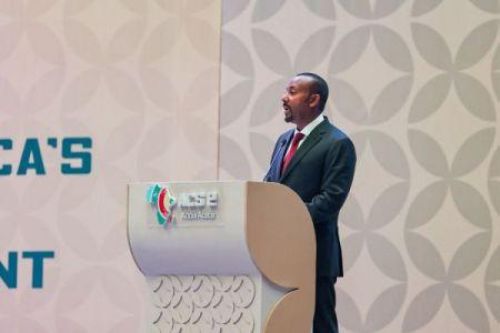
African leaders have set an ambitious goal to mobilise $50 billion annually for climate action following the second Africa Climate Summit (ACS2) held in Ethiopia from 8–10 September 2025.
The new financing drive will underpin two fresh initiatives: the African Climate Fund and the African Climate Innovation Pact, designed to generate 1,000 home-grown solutions to climate challenges by 2030, according to Ethiopian Prime Minister Abiy Ahmed.
The pledge comes as the continent, which produces barely 4% of global greenhouse gas emissions, bears the brunt of climate impacts ranging from prolonged droughts in the Horn of Africa to devastating floods in West and Central Africa. Scientists warn that Africa is warming faster than the global average, threatening food security and economic stability.
While the $50 billion target signals a bold step, details remain thin. Observers say questions linger about the timetable for raising the funds and the roles of national governments and private investors.
The summit also sought to present a united African position ahead of COP30 in Brazil this November, but some delegates voiced concern that the pledges could echo past unfulfilled promises. At the inaugural summit in 2023, leaders announced $26 billion in climate investment commitments, yet tracking actual disbursement has proven difficult.
More Read

The African Union estimates the continent needs at least $1.3 trillion each year to finance comprehensive climate adaptation plans, underscoring the scale of the challenge.
Despite the uncertainties, leaders hailed the new financial goal as a critical step toward funding renewable energy projects, resilient agriculture, and early-warning systems to protect vulnerable populations across Africa.