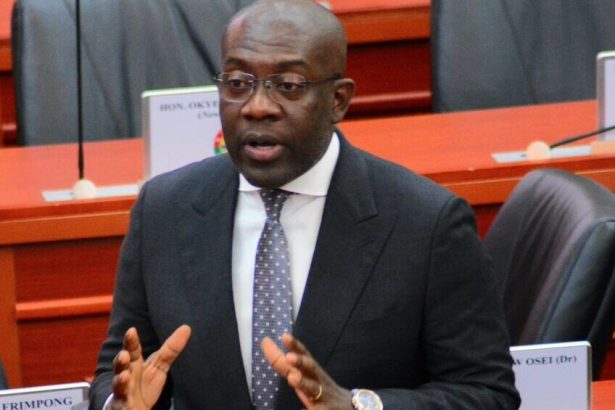
Ofoase-Ayirebi MP Kojo Oppong Nkrumah has sued the Chief Justice at the Supreme Court over a directive authorising selected judges to hear criminal cases during the legal vacation.
The suit, filed on Friday, also names the Attorney-General as a defendant. Oppong Nkrumah is invoking the Supreme Court’s original jurisdiction under Articles 2(1) and 130(1) of the 1992 Constitution, as well as Rule 45 of the Supreme Court Rules.
The MP is asking the apex court to declare unconstitutional the warrants issued by the Chief Justice for judges to sit during the legal vacation to hear criminal matters. He argues the directive is inconsistent with constitutional provisions governing equality before the law, administrative fairness and the exercise of discretionary power.
According to the writ, Oppong Nkrumah contends that giving priority to what the directive describes as “special criminal cases” while other criminal cases remain unheard amounts to selective justice and breaches the constitutional guarantee of equal treatment.
He also argues that the directive infringes the constitutional rights of lawyers and Judicial Service staff by requiring them to work during the legal vacation, which he says undermines protections relating to workers’ health and welfare.
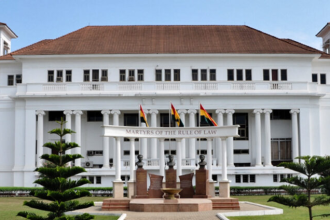
The suit further challenges portions of Order 79 Rules 1(1) and 2 of the High Court (Civil Procedure) Rules, 2004. Oppong Nkrumah argues the provisions are unconstitutional to the extent that they empower the Chief Justice to determine which cases should be heard during the vacation.
He is seeking declarations nullifying the directive and any further orders the Supreme Court considers necessary to enforce the Constitution.
The Chief Justice and the Attorney-General have 14 days after service of the writ to file their statements of defence.
Legal vacation is the annual period when regular court sittings are suspended, with only specified or urgent matters typically heard.