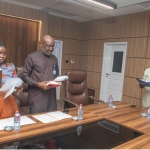
The National Development Planning Commission (NDPC) and the International Centre for Evaluation and Development (ICED) have begun efforts to establish a Ghana National Evidence and Gap Map to provide policymakers with easy access to research and evaluation findings.
The proposed digital platform is expected to consolidate evidence from academic research, project evaluations and institutional reports to support government planning and decision-making.
The two institutions met on Monday, July 13, 2026, to deepen their collaboration on the initiative and determine the next steps towards its development.
According to ICED, the platform will address challenges associated with accessing development evidence, much of which is currently scattered across institutional databases, libraries and websites.
A representative of ICED, Clarice Panyin Nyan, said the partnership brings together NDPC, ICED’s research team and other stakeholders, including the Ghana Statistical Service and the Parliamentary Research Department.
More Read
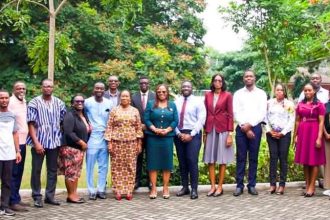
She said the collaboration will help create a comprehensive evidence repository to guide national development interventions.
President and CEO of ICED, Dr David Sarfo Ameyaw, said the organisation had worked with NDPC staff to catalogue interventions under Ghana’s national development plan.
The areas covered include poverty reduction and social protection, agriculture and food security, youth employment, education, health delivery, infrastructure, governance, transparency and environmental management.
“Now that we have got this framework, the question is: Which areas do we have evidence for?” Dr Ameyaw said.
He explained that the evidence map would allow users, including government officials and legislators, to access synthesised research information through a single platform, with artificial intelligence tools supporting data processing and analysis.
The Director-General of NDPC, Dr Audrey Smock Amoah, called for the interventions captured under the initiative to be reorganised around Ghana’s five national development policy dimensions.
These are economic development; social development; environment, infrastructure and spatial development; governance and institutional development; and international relations.
She said the alignment would support the integration of the evidence map into NDPC’s planned long-term national development framework.
Dr Amoah also highlighted NDPC’s role in coordinating Ghana’s Sustainable Development Goals reporting, including three completed Voluntary National Reviews and district-level Voluntary Local Reviews, which she said could provide useful inputs for the initiative.
She said the partnership reflects NDPC’s commitment to ensuring that government policies are driven by evidence and research rather than assumptions.
NDPC and ICED are expected to continue engagements with relevant stakeholders as work progresses on the development of the national evidence platform.