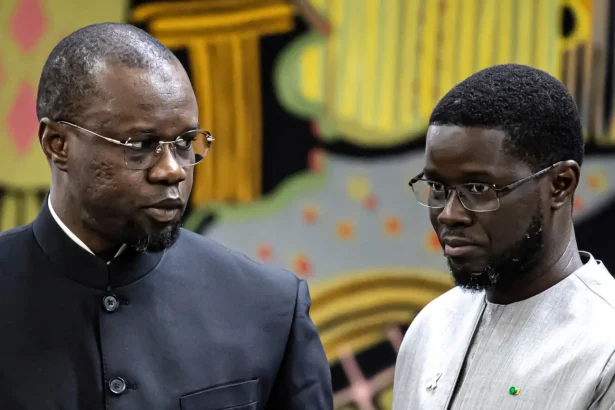
Senegal has been plunged into political uncertainty after President Bassirou Diomaye Faye dismissed Prime Minister Ousmane Sonko and dissolved the government, bringing months of growing tension between the country’s two most influential leaders to a dramatic end.
In a televised decree read by a presidential aide, the presidency announced that Mr Faye had “ended the duties of Ousmane Sonko… and consequently those of the ministers and secretaries of state who are members of the government,” effectively dissolving the cabinet.
The decision marks a significant rupture between President Faye and Mr Sonko—once political allies whose partnership powered one of Senegal’s most remarkable electoral victories in recent history.
Mr Sonko, who remains one of the most influential figures among Senegal’s youth, responded calmly on social media, saying he would “sleep with a light heart,” a remark that suggests resignation but also defiance.
The political fallout comes at a time of mounting economic strain for Senegal. According to the International Monetary Fund (IMF), the country’s public debt has surged to approximately 132 per cent of GDP, intensifying pressure on the administration to stabilise the economy.
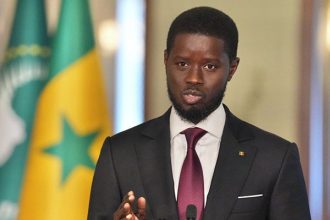
The dismissal of the prime minister followed a heated parliamentary session on Tuesday, during which Mr Sonko publicly criticised President Faye, laying bare the widening cracks at the heart of government.
The breakdown in relations is particularly striking given the political history between the two men. Mr Sonko, barred from contesting the 2024 presidential election following a defamation conviction, had backed Mr Faye’s candidacy. Their alliance proved decisive, delivering a surprise electoral victory after both men were released from prison just days before the vote.
However, the partnership has since unravelled amid disagreements over governance style and political authority. President Faye has reportedly expressed concern over what he described as the “excessive personalisation” of power within Mr Sonko’s faction of the ruling Pastef party. In contrast, Mr Sonko has accused the president of failing to defend him against political attacks and of weak leadership.
Tensions between the two leaders have been simmering for months, but Tuesday’s developments brought the dispute into the open. The fallout has already sparked public reaction, with several hundred students taking to the streets of Dakar late Tuesday night in support of the ousted prime minister.
As Senegal navigates this unexpected political rupture, questions remain over how the government will manage rising economic pressures and whether the ruling coalition can withstand the fallout of the split between two figures who once symbolised a new political era for the West African nation.