


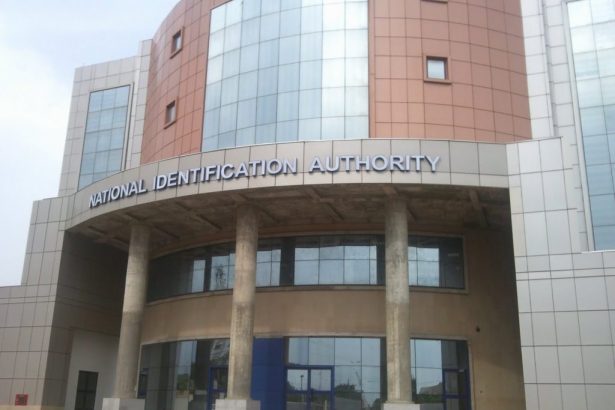
The National Identification Authority has introduced a fresh set of directives governing how institutions manage personal data obtained from the National Identity Register, in a bid to tighten data protection and minimise abuse.
The new guidelines, which took effect on Thursday, 19 March 2026, outline specific requirements for the storage, security, retention and disposal of personal information accessed by user agencies.
The Authority explained that the framework is grounded in the National Identity Register Act, 2008 and its amendment, the National Identity Register (Amendment) Act, 2017. These laws empower the NIA to regulate how institutions handle data from the national database, including setting limits on how long such information can be retained for official purposes.
At the core of the directive is a push to ensure that personal data is securely stored and only kept for periods that are necessary, while promoting responsible handling practices among institutions that depend on the register for operations.
The measures are also aimed at preventing unauthorised access, misuse and potential loss of sensitive information, while ensuring full compliance with Ghana’s legal framework and globally accepted data protection standards.
More Read

The policy shift comes at a time when concerns over data privacy are intensifying, particularly as both public and private institutions increasingly rely on the National Identity Register for identity verification and service delivery.