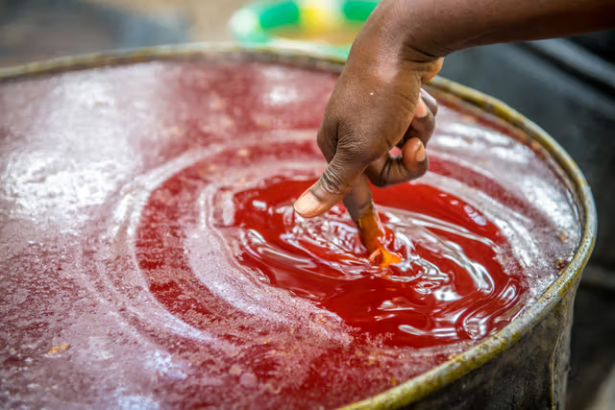
Government has unveiled plans to reduce Ghana’s palm oil import bill by an estimated $200 million annually, as it strengthens engagement with Chinese investors under a broader agricultural transformation strategy.
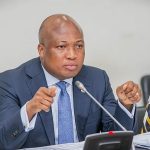
Speaking at the Chinese Lunar New Year Gala 2026 in Accra, the Minister for Food and Agriculture, Eric Opoku, said agriculture has been placed at the centre of President John Dramani Mahama’s economic reset agenda.
He indicated that the 2026 Budget positions agriculture as a key driver of industrialisation, export expansion, job creation and foreign exchange stability.
Central to the strategy is the Integrated Oil Palm Development Programme (2026–2032), which aims to cultivate 100,000 hectares of oil palm plantations nationwide and create up to 250,000 jobs. The programme is expected to increase domestic output and reduce reliance on imported palm oil.
Beyond oil palm production, the Minister outlined additional interventions planned for the year, including the distribution of 31,000 metric tonnes of rice seed, 4,388 metric tonnes of maize seed, 2,791 metric tonnes of soybean seed and 272,000 metric tonnes of fertiliser to farmers across the country.
More Read

Government is also expanding irrigation infrastructure and constructing dams in northern Ghana as part of efforts to limit dependence on rain-fed agriculture and stabilise year-round production.
Mr Opoku further disclosed that Ghana is actively seeking joint ventures with Chinese firms in areas such as irrigation systems, farm mechanisation, agro-processing and agricultural machinery assembly.
“We are not seeking aid. We are building joint ventures,” he stated, calling for a shift “from trade to production.”
According to the Minister, Ghana is positioning itself as an attractive destination for agro-industrial investment, citing the availability of structured land banks and access to the more than 400 million-strong West African market under the Economic Community of West African States (ECOWAS).
The strategy is intended to boost domestic production capacity, cut import dependency and establish Ghana as a regional hub for agro-industrial growth.