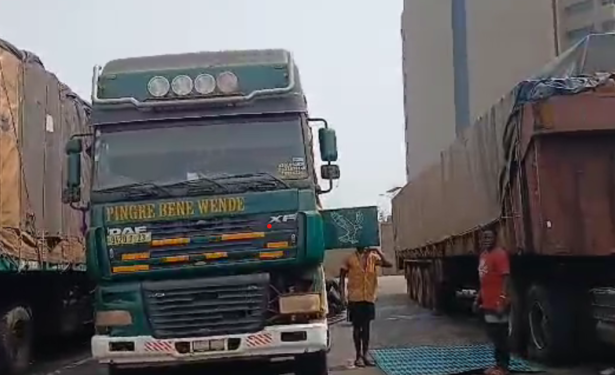
The Food and Beverages Association of Ghana (FABAG) has commended the government and the Ghana Revenue Authority for banning transit goods for selected products through the Aflao border, describing the directive as a bold step to protect local industries and government revenue.
In a statement, FABAG said the decision strengthens regulatory control at Ghana’s borders and addresses longstanding challenges posed by unregulated inflows of goods that have undermined legitimate businesses and local manufacturing, particularly in the food and beverages sector.
The association noted that transit goods through land borders have distorted market competition and created difficulties for domestic producers and formal sector operators. It argued that stricter enforcement is necessary to safeguard local industry and ensure fair trading conditions.
While welcoming the action at the Aflao border, FABAG urged authorities to extend the ban to all land borders without exception. The association warned that limiting enforcement to a single border could encourage diversion of transit goods to other entry points, thereby undermining the policy’s objectives.
FABAG also recommended expanding the directive beyond transit consignments to a complete restriction on the entry of affected products through land borders, whether for transit or domestic consumption. According to the association, partial restrictions may create loopholes for smuggling and under-declaration, facilitating unfair market practices.
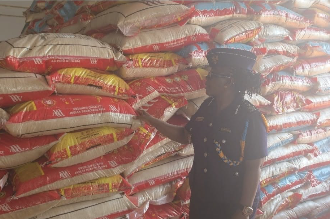
The group outlined several benefits of a nationwide and comprehensive enforcement regime, including protection of local industries and jobs, promotion of fair trade, reduction of smuggling and illicit trade, enhanced revenue mobilisation and strengthened border security.
It further highlighted the competitive pressures faced by Ghana’s manufacturing and trading sectors, citing high tariffs, taxes and logistics costs. The association argued that uncontrolled inflows of goods through porous borders place compliant businesses at a disadvantage and threaten domestic production.
FABAG called on relevant state agencies, including customs authorities and border security institutions, to collaborate in implementing strict and consistent enforcement across all land entry points.
The association reiterated its support for government efforts to sanitise the trading environment and protect the integrity of Ghana’s borders. It expressed readiness to engage policymakers in developing measures that support industrial growth, revenue protection and economic resilience.
AG supports transit goods ban at Aflao border but urges nationwide enforcement to curb smuggling and protect industry.
Read the press statement attached below:
PRESS RELEASE
BAN ON SELECTED TRANSIT GOODS THROUGH AFLAO BORDER COMMENDABLE BUT EXTEND TO ALL OTHER LAND BORDERS
The Food and Beverages Association of Ghana (FABAG) warmly commends the Government of Ghana and the Ghana Revenue Authority (GRA) for the bold and timely directive banning the entry of transit goods for selected products through the Aflao border.
This decisive intervention is a significant step toward safeguarding local industries, protecting government revenue and strengthening regulatory control at the nation’s borders. For several years, the influx of transit goods through land borders has posed serious challenges to legitimate businesses, undermined local manufacturing, distorted market competition and import ecosystem, particularly within the food and beverages sector , where unregulated inflows of goods have had severe implications for local producers and formal sector operators.
While we commend this important action at the Aflao border, we respectfully urge the Government and the Ghana Revenue Authority to extend this directive to all other land borders across the country without exception. Limiting such enforcement to a single border risks diversion of transit goods to other entry points thereby defeating the policy’s intended objective.
Furthermore, FABAG strongly recommends that the scope of the directive be beyond transit goods to a complete ban on the entry of the affected products through land borders into Ghana, whether for transit or direct consumption. A partial restriction that targets only transit consignment may inadvertently create loopholes that can be exploited, leading to continued smuggling, under-declaration, and unfair market practices.
A nationwide and comprehensive enforcement regime will;
- Protect local industries and jobs
- Promote fair trade and competitive neutrality
- Curb smuggling and illicit trade
- Enhance revenue mobilization for national development
- Strengthen border security and regulatory oversight
Ghana’s manufacturing and formal trading sectors continue to operate under significant cost pressures, including high tariffs, taxes, logistics costs, and regulatory burdens.
Allowing uncontrolled inflows of goods through porous land borders places compliant businesses at a severe disadvantage and threatens the sustainability of domestic production.
FABAG therefore calls on all relevant state agencies, including Customs, border security authorities, and regulatory institutions, to collaborate in ensuring strict enforcement of this directive nationwide. Consistency in policy implementation across all land entry points is critical to achieving the desired economic and regulatory impact.
We reiterate our full support for government’s efforts to sanitize the trading environment and protect the integrity of Ghana’s borders. FABAG remains committed to constructive engagement with policymakers to promote policies that support local industry growth, revenue protection, and national economic resilience.
Signed
FABAG