
The Ministry of Health has unveiled the National Sickle Cell Disease Screening and Case Management Guidelines, a policy move aimed at tightening Ghana’s response to one of the country’s most prevalent inherited blood disorders.
The Guidelines introduce a unified national approach to screening, diagnosis, clinical management and referral for sickle cell disease, addressing long-standing inconsistencies in care delivery across health facilities.
At the launch in Accra, the Ministry acknowledged that delayed diagnosis and fragmented treatment have contributed to avoidable complications and deaths, particularly among children born with the condition.
Deputy Minister for Health, Prof. Dr. Grace Ayensu-Danquah, explained that the new framework prioritises early screening — especially at birth — as well as standardised treatment protocols to ensure patients receive timely and appropriate care regardless of location.
The Guidelines are expected to strengthen coordination between primary, secondary and tertiary health facilities, while improving data collection, patient monitoring and long-term case management.
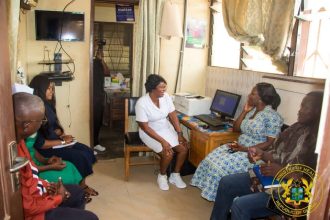
The Ministry said the policy aligns with existing non-communicable disease strategies and reflects growing concern about the social and economic burden of sickle cell disease on affected families and the health system.
Stakeholders were urged to commit resources and technical support to ensure effective nationwide implementation, warning that policy adoption without sustained execution would undermine the intended impact.
The Ministry described the launch as a critical step towards improving quality of life for people living with sickle cell disease and reducing preventable complications through early detection and structured care.