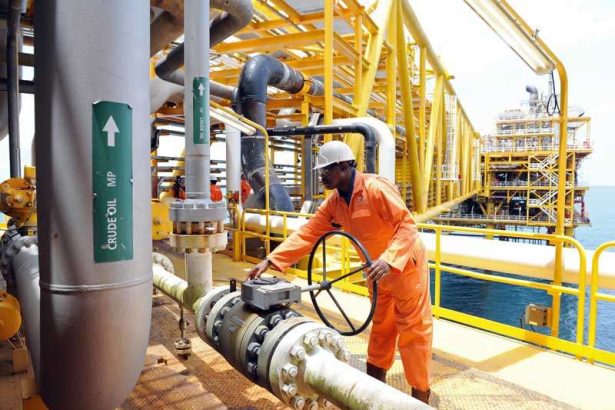
The Society of Petroleum Engineers (SPE) says Africa will need an estimated $375 billion over the next decade to close the financing gap in upstream and midstream gas development, warning that delays could stall the continent’s energy transition and economic growth.
Speaking at the MSGBC Oil, Gas & Power 2025 conference in Senegal, Dr Riverson Oppong, Africa Director of SPE, said the continent’s gas potential remains largely underutilised despite holding about 8 per cent of global reserves.
He argued that Africa can unlock significant investor interest if countries adopt integrated national gas master plans, create bankable contractual regimes, and strengthen institutional capacity.
“Africa is a gas market,” Dr Oppong stressed, noting that policy inconsistencies, weak commercial frameworks, limited infrastructure, and financing hurdles continue to keep the region behind its global peers.
The Dakar Section Chair of SPE, Dr Rose Ndong, underscored the organisation’s mission of driving strong technical dialogue among petroleum professionals across the continent. She said such engagements are critical to turning Africa’s potential into real projects capable of boosting the region’s upstream performance.
More Read
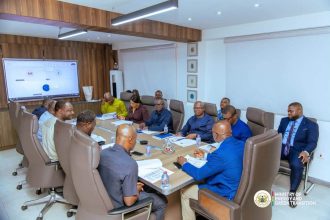
Global technology firm SLB also used the conference platform to push for greater digital investment in Africa’s energy value chain. According to Larry Velasco, Africa New Venture Manager at SLB, digital tools such as IoT, analytics, and AI could significantly improve exploration outcomes, drilling operations, production efficiency and supply-chain resilience.
SLB warned that poor-quality data alone can slash revenues by 15 to 25 per cent, a risk the firm said Africa cannot afford as global energy demand evolves. The company projects a 20 per cent increase in oil and natural gas demand by 2050, driven partly by major discoveries expected across emerging African basins in 2025.
Paul Freeman, Global Exploration Advisor at SLB, added that as older fields mature and output declines, new investment is urgently required to support Africa’s energy security and maintain its role in the global supply chain.
The MSGBC summit brought together policymakers, industry leaders, and investors to explore how Africa can position itself competitively in a rapidly shifting global energy landscape.