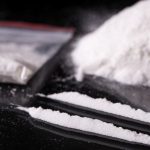
The Narcotics Control Commission (NACOC) has detained the main suspect associated with the seizure of 738 compressed parcels of suspected cannabis at Swissport, Kotoka International Airport (KIA).
Lincoln Nii Okaija, was apprehended at the Aflao border, while attempting to flee Ghana to Togo en route to France.
His arrest, follows days of intense surveillance and a manhunt by NACOC operatives.
Authorities say the suspect played a central role in the botched smuggling attempt and will face prosecution per Ghana’s narcotics laws.
“The Commission appreciates all who assisted and continue to support NACOC in its operations against illicit drug trafficking,” a statement dated August 12, 2025, indicated.
More Read

NACOC dealt a significant blow to international drug trafficking networks with the seizure of 738 compressed parcels of suspected cannabis at the Swissport Terminal in Accra on July 5.
The substantial illicit consignment, meticulously hidden within 40 boxes falsely labelled as “assorted food items”, was on its way to the United Kingdom, highlighting the country’s persistent challenge as a transit point for illicit drugs bound for European markets.
This latest interception follows weeks of intensive intelligence gathering and surveillance by NACOC officials, a testament to their continuous efforts in disrupting sophisticated drug operations.
Two individuals were apprehended in connection with the Swissport seizure and had been assisting with investigations.
However, authorities declared two other key suspects, Lincoln Nii OKAIJA (born March 27, 1979) and Kate DAVIDSON, alias “Esi”, as wanted persons, urging the public to provide any information that could lead to their capture.
The trafficking of cannabis remains a prevalent issue in Ghana.
According to NACOC’s 2022 statistics, the commission seized a record-breaking 59,900 kg of illicit drugs that year, a significant increase from 15,458 kg in 2021.
While cocaine seizures often dominate headlines, cannabis consistently features in large quantities due to its local cultivation and demand, as well as its role in international illicit trade routes.
In a related and equally impactful development, NACOC conducted a major anti-narcotics operation on June 24 across Akyem Oda and Akroso in the Eastern Region.
This targeted raid, the culmination of weeks of meticulous intelligence work and discreet surveillance on suspected individuals and businesses, resulted in the arrest of 14 suspects involved in the possession and distribution of illegal drugs.
As part of the stringent crackdown in the Eastern Region, NACOC officials shut down three licensed chemical stores found to be engaging in illicit activities.
These establishments were discovered to be selling unregistered and controlled substances without proper authorisation, a dangerous practice that fuels drug abuse within communities.
The operation yielded large quantities of illegal drugs and suspicious pharmaceutical products, including “red” (likely codeine-based cough syrup, a commonly abused substance in Ghana) and cannabis, among others.
Ghana has been actively collaborating with international partners, including the UK, to combat drug trafficking, recognising its transnational nature.
Such collaborations involve intelligence sharing, joint operations, and capacity building to dismantle criminal networks.
Penalties for drug trafficking in Ghana are severe, with the Narcotic Drugs (Control, Enforcement and Sanctions) Act of 1990 (PNDCL 236) stipulating a minimum of ten years’ imprisonment for offences related to possession, importation, or exportation of narcotic drugs without lawful authority.
NACOC officials have reaffirmed their unwavering commitment to dismantling drug networks across the country.
They have appealed to residents to remain vigilant and to report any suspicious drug-related activities in their communities, emphasising that public cooperation is paramount to their success in ensuring a drug-free Ghana.
These recent operations underscore NACOC’s proactive stance in safeguarding public health and national security from the pervasive threat of illegal narcotics.