By: Abigail Teye
Climate change is rapidly becoming a major public health challenge in Ghana, with far-reaching impacts on disease patterns, food security, and the capacity of the health system.
As temperatures rise and weather patterns become increasingly erratic, new health risks are emerging and existing ones are intensifying.
Rising temperatures and heat-related illness
In 2024, Ghana experienced extreme heatwaves, particularly in the northern regions, with temperatures exceeding 42°C. The Ghana Meteorological Agency reported that this was among the most severe heat periods in recent decades.
High temperatures have contributed to a spike in heat-related illnesses such as dehydration, heat exhaustion, and heat stroke. Additionally, the heat has played a role in outbreaks of cerebrospinal meningitis (CSM).

Between January and March 2024 alone, the Upper West Region recorded 124 suspected cases of meningitis, with 34 confirmed and at least 10 deaths, as higher temperatures create conditions favourable for the bacteria responsible for the disease.
Increase in vector-borne and water-borne diseases
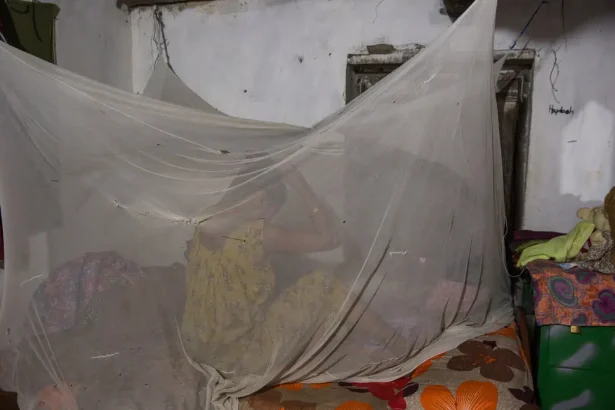
Climate change is also affecting the spread of infectious diseases. Rising temperatures and changes in rainfall have expanded mosquito breeding sites, contributing to a wider transmission of malaria. Areas that previously recorded lower malaria incidence are now experiencing increased cases, straining local health resources.
Heavy and unpredictable rainfall has also led to recurrent flooding in urban areas such as Accra and Kumasi, increasing the risk of cholera and diarrhoeal diseases. Contaminated water sources and poor sanitation facilities worsen these outbreaks, especially in informal settlements.
Air pollution and respiratory diseases
In 2024, air quality measurements across major cities in Ghana revealed levels of particulate matter up to six times higher than World Health Organization standards. Drier conditions and increased open burning of waste contribute significantly to this problem.
The result has been a rise in respiratory illnesses, including asthma attacks, acute respiratory infections, and chronic lung conditions. Children and elderly people are especially vulnerable to the effects of poor air quality.
Food insecurity and malnutrition
Climate-related disruptions to agriculture, including erratic rainfall, prolonged droughts, and flooding, have threatened food production in Ghana. As of 2024, approximately two million Ghanaians, mainly in the northern and upper regions, are facing food insecurity.
Reduced agricultural yields mean less availability of diverse and nutritious food, leading to increased rates of malnutrition, particularly among children and pregnant women. Malnutrition weakens immune systems, increasing susceptibility to infections and delaying recovery from illness.
Impact on health systems
The cumulative effect of these climate-related health challenges places immense strain on Ghana’s health infrastructure. Many facilities lack the capacity to manage multiple, simultaneous outbreaks and extreme weather events. This has led to overcrowding in hospitals, shortages of essential medicines, and increased demand for emergency care.
The World Bank’s 2024 Climate and Health Vulnerability Assessment highlights the urgent need to integrate climate risk into health planning, strengthen disease surveillance systems, and upgrade health facilities to withstand climate-related shocks.
The way forward
Addressing the health impacts of climate change requires a coordinated national response. Key measures include:
- Strengthening early warning systems and disease surveillance;
- Investing in climate-resilient health infrastructure;
- Expanding public health education on heat stress, sanitation, and preventive care;
- Supporting research on climate-related health risks to guide policies and interventions.
Climate change poses a serious threat to the health of Ghanaians today — not just in the future. Urgent action at all levels of government and society is essential to protect lives and safeguard progress in public health.