By Benjamin Makafui Attipoe, Ho
The New Patriotic Party (NPP) in the Volta Region has thrown its weight behind the Minority’s call for a full parliamentary investigation into an alleged US$1.7 billion loss linked to gold sale activities. The party says Ghanaians deserve a comprehensive explanation of what happened to the money and wants Parliament to scrutinise all relevant documents and transactions surrounding the alleged loss.
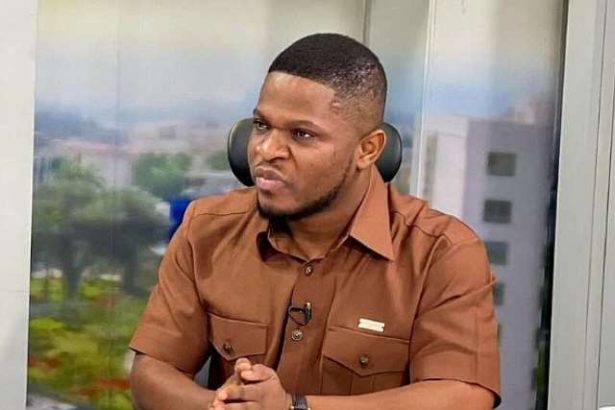
The Volta Regional Chairman of the NPP, Hon. Makafui Kofi Woanyah, made the demand at a press conference in Ho, where he also raised concerns about the impact of illegal mining on the country’s environment and water resources.
Mr. Woanyah said the alleged loss was too significant to be treated as a political matter, insisting that the resources at stake belonged to all Ghanaians.
He said the Minority in Parliament was therefore justified in demanding accountability and should pursue the matter until the facts were fully established.
More Read

According to him, the alleged loss should be investigated not only to establish what happened but also to help prevent similar financial losses in the future.
Mr. Woanyah linked the issue to the country’s continuing illegal mining crisis, arguing that Ghana was suffering a “double whammy” through the destruction of its natural resources and what he described as poor management of the gold generated from mining activities. He accused the government of failing to adequately deal with illegal mining, which he said continued to threaten rivers, forests and farmlands across the country.
The NPP Chairman cited concerns from environmental researchers about pollution of the country’s water bodies and warned that the effects of illegal mining could eventually threaten tributaries feeding the Volta Lake. He said this posed a particular concern to the Volta Region, where farmers and fishermen depended heavily on water resources for their livelihoods.
Mr. Woanyah warned that although large-scale illegal mining activity might not be taking place in the Volta Region on the scale seen elsewhere, the region could not afford to wait until pollution reached the Volta Lake before action was taken.
He said the deterioration of tributaries feeding the lake could have serious consequences for agriculture, fishing and the livelihoods of communities across the region.
The NPP Regional Chairman also raised concerns about the human cost of illegal mining. He referred to reports that at least 23 people, including 11 children, had died after falling into abandoned illegal mining pits in the Ashanti Region, with some victims still reported missing. Mr. Woanyah described the deaths as a serious indictment of the country’s failure to effectively address the illegal mining menace.
He further expressed concern about the possible health implications of exposure to chemicals associated with illegal mining, including mercury and lead, saying contamination of water and food sources could affect communities far beyond mining areas.
Against this background, the NPP Volta Regional Chairman reiterated the party’s support for the Minority’s proposed parliamentary investigation into the alleged US$1.7 billion loss. He called on Parliament to ensure that the investigation was thorough, transparent and supported by all relevant documentation. Mr. Woanyah also appealed to the Majority in Parliament to support the probe, arguing that the alleged loss was a national issue and not the property of any political party. He said any person found culpable after a proper investigation must face appropriate sanctions.
“The one point seven billion dollar loss does not belong to one party. It belongs to every Ghanaian,” he said.
Mr. Woanyah urged the Minority not to relent in its demand for accountability, saying the NPP in the Volta Region would continue to support efforts to establish the truth surrounding the alleged loss. He said the party would also continue to raise concerns over illegal mining and its potential consequences for the Volta Region’s water bodies, farmers and fishing communities.
The NPP Chairman concluded by urging the government to prioritise accountability, environmental protection and the responsible management of Ghana’s natural resources.