By Paul Mamattah
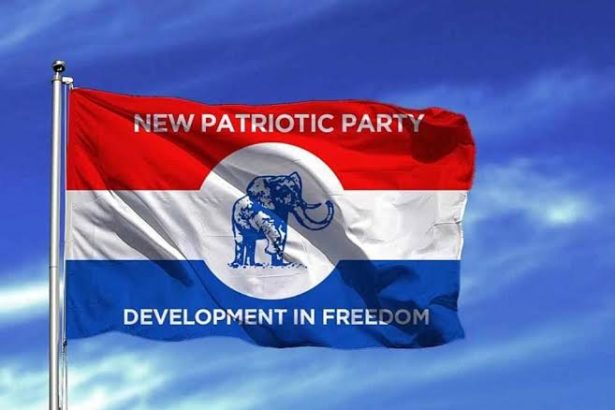
There is an unfortunate pattern in Ghanaian politics that deserves serious national attention, the tendency of the New Patriotic Party (NPP), particularly when in opposition, to resort to personal attacks, character assassination, propaganda, and the deliberate destruction of the reputations of political opponents as a strategy to win political power.
Rather than concentrating on policy alternatives, presenting credible solutions to the country’s challenges and engaging the governing party on issues of national development, sections of the NPP’s political communication machinery appear to devote considerable energy to attacking the personalities of leading members of the National Democratic Congress (NDC).
It is a political strategy that raises serious questions about the kind of politics the party wants Ghana to practise and the extent to which it values the dignity of individuals, particularly those who have served or are serving the country.
Ghana’s political history offers several examples of how personalities associated with the NDC have been subjected to ridicule, derogatory descriptions, and attacks on their integrity, especially when the NPP is seeking political power.
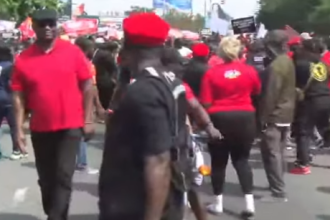
The late former President Jerry John Rawlings, founder of the NDC and one of the most influential political figures in Ghana’s Fourth Republic, was no stranger to political insults and attacks on his character. His record, personality, and political legacy became subjects of intense partisan attacks. He was frequently portrayed by political opponents through the most unfavourable interpretations of his revolutionary past, with his contributions to Ghana’s political development often overshadowed by the controversies surrounding his time in power.
The late Professor John Evans Atta Mills also suffered similar treatment. His calm disposition, humility and gentle personality, which earned him the affectionate title ‘Asomdwehene’, were sometimes turned into political weapons by his opponents, who sought to portray him as weak and incapable of providing effective leadership.
Indeed, the disrespect shown to the memory of President Mills was brought into sharp focus during the 2024 election campaign when the NPP’s then running mate, Dr. Matthew Opoku Prempeh, popularly known as NAPO, referred to the late President as ‘the one who died’ while mentioning Ghana’s former Presidents at a campaign event.
Such a description of a former Head of State was unnecessary and unfortunate. A person’s political differences with a former President should never become an excuse to disregard the dignity and memory of that individual.
President John Dramani Mahama has equally experienced relentless personal attacks from the NPP, particularly during the period leading up to the 2016 general election.
The political campaign against him went beyond legitimate criticism of his administration’s economic and governance record. He became the subject of damaging political labels, allegations and narratives intended to undermine public confidence in his personality and leadership.
The ‘dead goat’ description, which became one of the defining political labels associated with him, was repeatedly used in political discourse. His integrity, competence, and personal credibility were also subjected to sustained attacks.
The NPP’s campaign against President Mahama in 2016 was particularly aggressive. The party built much of its political messaging around allegations of corruption, failed promises, economic mismanagement, and claims that the country had been brought to its knees under his leadership.
Some of the claims made during that election campaign were subsequently subjected to independent fact-checking. A Media Foundation for West Africa assessment of 98 campaign claims found that 28% were false, while another 25% were either half-truths or misleading. The report also found that NPP personalities made a higher proportion of false claims among the claims examined than their NDC counterparts.
This raises an important question: was the political campaign about presenting a better alternative to Ghanaians, or was it also about creating and amplifying negative perceptions of the sitting President to make him unelectable?
The NPP eventually won the 2016 election, but the methods and narratives deployed during that campaign remain worthy of scrutiny. Political victories should not be celebrated at the expense of truth, fairness and the integrity of opponents.
Today, with the NPP back in opposition, similar concerns are emerging over its treatment of some prominent members of the Mahama administration.
Foreign Affairs Minister Samuel Okudzeto Ablakwa has increasingly become a target of political attacks over his decisions and activities at the Ministry of Foreign Affairs. While the NPP, like any opposition party, has every right to demand explanations, transparency and accountability, there must be a clear distinction between legitimate parliamentary oversight and attempts to destroy an individual’s reputation.
The controversy surrounding the evacuation of Ghanaians from South Africa and the associated expenditure, for instance, has generated heated political exchanges. The Minority has raised questions about the expenditure and demanded explanations. Those questions deserve answers. However, allegations must be supported by evidence, and public debate must not be reduced to a campaign of personal vilification.
The treatment of Sammy Gyamfi, Chief Executive Officer of the Ghana Gold Board (GoldBod), is another example of the increasingly confrontational political environment.
Since assuming office, Mr. Gyamfi has faced sustained criticism from the opposition over the operations of GoldBod, procurement issues and the country’s gold trading arrangements.
Accountability is necessary, and GoldBod must be open to public scrutiny. However, criticism of the institution should not automatically translate into a deliberate attempt to portray its chief executive as personally dishonest or unfit for public office without established evidence.
The same concerns arise in the case of the Minister for Sports and Recreation, Kofi Adams, who has come under intense pressure from the NPP over allegations surrounding World Cup travel and visa arrangements.
The party has demanded parliamentary investigations and explanations from the Minister. Such demands are within the legitimate responsibilities of an opposition party. However, allegations of wrongdoing must be investigated fairly, and individuals must not be condemned before the relevant facts are established
The point is simple, the NPP must understand that demanding accountability is different from assassinating character. A political opponent does not automatically become a criminal, corrupt individual or dishonest person simply because he or she belongs to a different political tradition.
What makes this political behaviour particularly worrying is the apparent belief that destroying the reputation of an opponent is an effective way of winning elections.
Ghana’s democracy must not become a competition over which political party can insult, ridicule, embarrass and damage the reputation of its opponents more effectively.
The NPP must also appreciate that the political environment has changed considerably since the early years of the Fourth Republic. The days when politicians could make sweeping allegations, manufacture stories and expect the electorate to accept everything without question are gradually becoming a thing of the past.
We are now in a social media era where information travels within seconds, public statements are recorded, old speeches are retrieved, and claims can be subjected to independent verification.
A politician who makes a false statement today can be confronted with the evidence tomorrow. Videos, newspaper publications, official documents, parliamentary records and archived interviews are readily available to challenge political propaganda.
The NPP must therefore abandon the belief that it can lie its way into political power again or use the political tactics of 1992 to deceive Ghanaians. The electorate is becoming increasingly discerning, and voters are more interested in evidence, performance, policies and credible leadership than political insults and manufactured controversies.
It is also important for the NPP to understand that its responsibility as an opposition party goes beyond finding faults with the government. It must demonstrate that it has learnt from its time in office and can offer better alternatives to the people of Ghana.
If the party genuinely wants to return to power, it must tell Ghanaians what it intends to do differently about the economy, unemployment, education, healthcare, agriculture, infrastructure, corruption and other pressing national concerns.
It must explain its policies and defend its record rather than spend valuable political energy attacking the personalities of individuals in government.
The NDC is not above criticism, and President Mahama’s administration must be held accountable for its promises and performance. However, accountability must be based on facts, evidence and issues, not fabricated allegations, personal insults and deliberate attempts to destroy reputations.
The NPP must do away with character assassination and embrace issue-based politics. It must learn to disagree without being disrespectful, criticise without defaming, and challenge government decisions without turning public officials into targets of personal persecution.
Ghana deserves a mature political opposition that can hold the government accountable while offering credible alternatives.
The politics of insults, propaganda, and character assassination may generate headlines and temporary political excitement, but they cannot provide the solutions Ghanaians need.
The NPP must understand that attacking personalities is not a substitute for presenting policies, and destroying reputations is not a development agenda. Ghanaian voters are watching, listening, and, more importantly, fact-checking. The era when political parties could deceive the electorate with manufactured stories and personal attacks to win power must be over.