…..100 more staff to receive training
The Korle Bu Teaching Hospital is stepping up its preparedness for a potential Ebola outbreak, with plans to train an additional 100 healthcare workers and strengthen emergency response systems across the facility.
The hospital is also establishing rapid response teams, identifying designated isolation areas for suspected cases, and setting aside funds to ensure a swift and effective response should an outbreak occur.
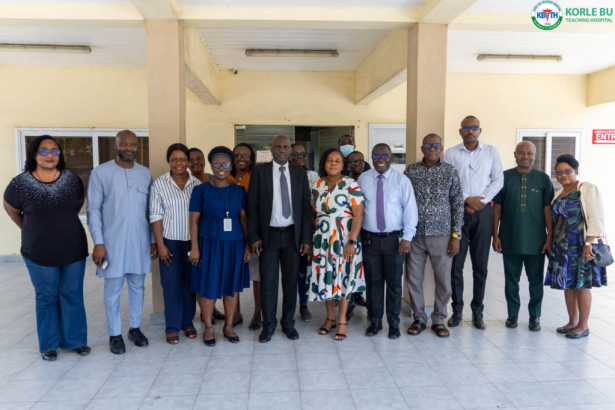
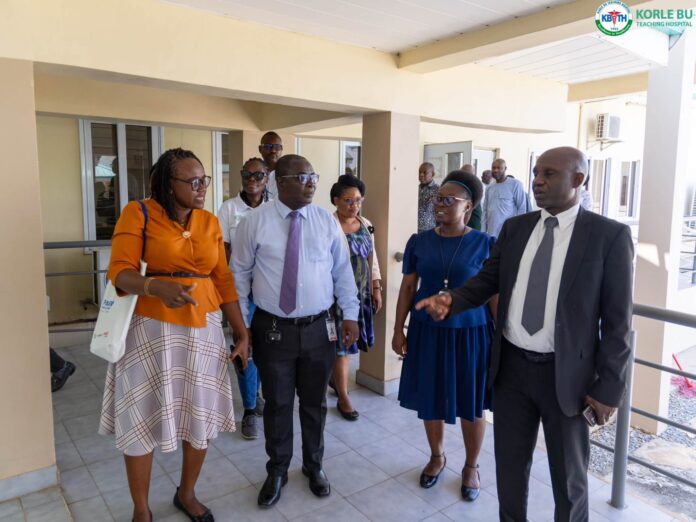
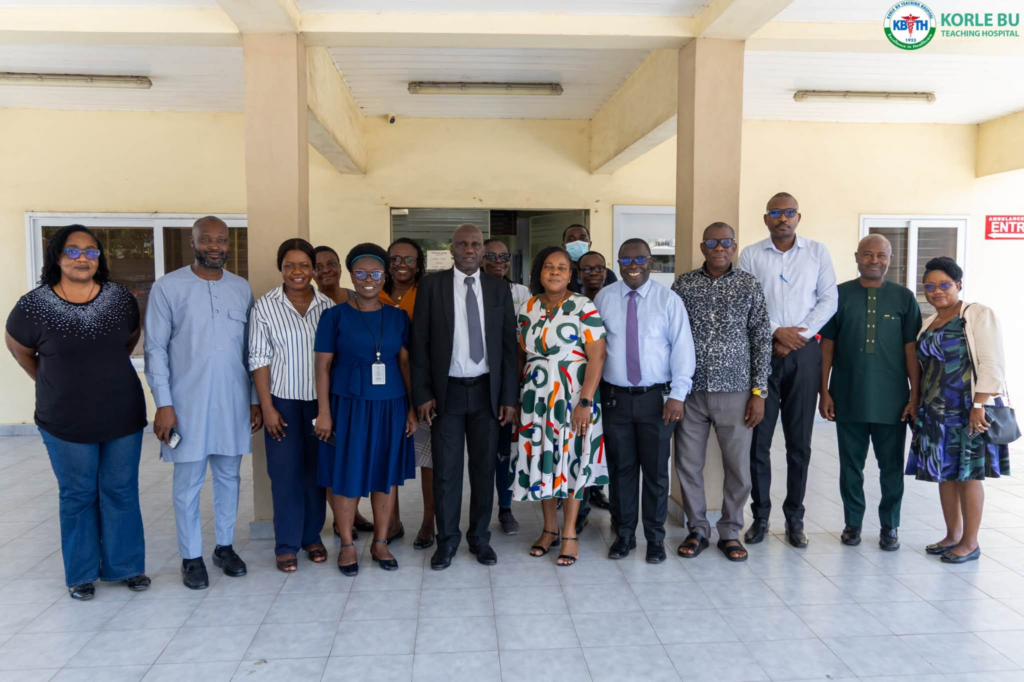
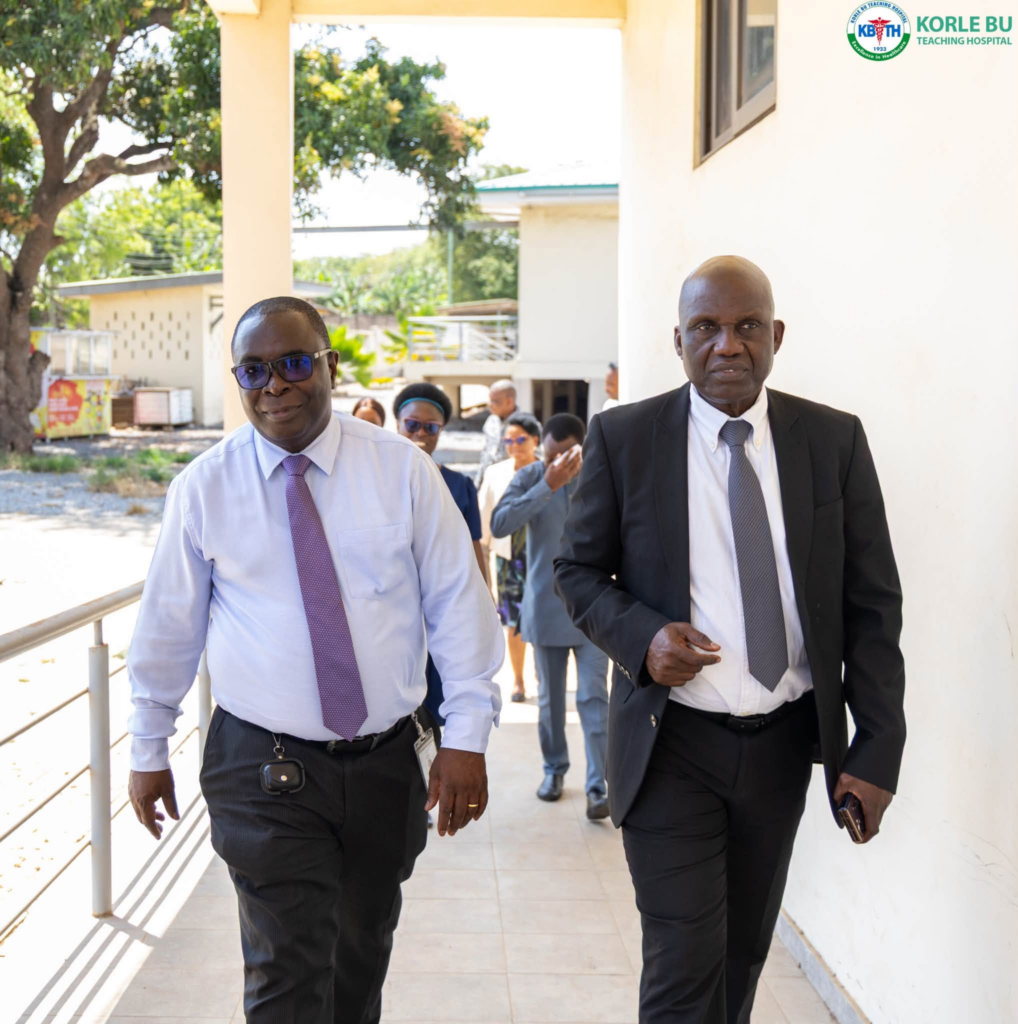
In a Facebook post yesterday, October 27, 2026, the hospital said its Chief Executive Officer, Dr Yakubu Seidu Adam, together with members of the Central Management Team and other senior officials, had assessed the facility’s readiness to manage a possible Ebola outbreak.
During the assessment, the Head of the Department of Public Health, Dr. Eric Odei, outlined a series of interventions to protect patients, healthcare workers, and the general public from the potential threat.

The proposed measures include establishing an Epidemic Management Committee and a Central Rapid Response Team to coordinate emergency operations and ensure timely responses to suspected cases.
The hospital also plans to strengthen disease surveillance through the circulation of alerts across all departments, the introduction of triage procedures, and the designation of isolation areas for patients suspected of having contracted the virus.
As part of the preparedness programme, departmental teams have already undergone training to improve their ability to identify and respond to potential infections.
An additional 100 staff members are expected to receive specialized training, with a focus on strengthening rapid-response teams across departments.
Public health training will also be extended to departmental management teams to improve coordination, enhance institutional readiness and facilitate timely decision-making during emergencies.
Dr Adam has directed the hospital’s Director of Finance, Emmanuel Coffie, to set aside funds to support outbreak response activities.
The directive is intended to ensure that response teams have immediate access to the resources required to carry out their duties without unnecessary delays.
According to the hospital’s management, dedicated funding will help facilitate swift and effective operations whenever the need arises.
The Epidemic Management Committee has also announced plans to intensify simulation exercises to test the readiness of response teams, assess existing procedures, and identify areas requiring improvement.
The exercises are expected to help staff familiarize themselves with emergency protocols and improve coordination in the event of a suspected or confirmed case.
As part of efforts to minimize the risk of infection within the facility, management has approved the installation of physical barriers at designated isolation areas.
The barriers are intended to reduce the risk of cross-contamination, particularly when managing agitated patients suspected of exposure to the virus.
The measure forms part of broader infection prevention and control arrangements designed to protect healthcare workers, other patients and visitors during the management of suspected cases.
The hospital said the measures reflected its commitment to strengthening emergency preparedness and ensuring that the necessary personnel, infrastructure, and financial resources were available to respond effectively to a potential Ebola outbreak.
Management stressed the importance of improving staff capacity, surveillance, coordination and infection prevention systems in safeguarding the hospital community and the wider public against infectious disease threats.
The planned training of the additional 100 staff members, together with the proposed simulation exercises and strengthened emergency response arrangements, is expected to reinforce the hospital’s capacity to manage a potential outbreak.
The measures are precautionary and form part of the hospital’s preparedness efforts against the possibility of an Ebola outbreak.