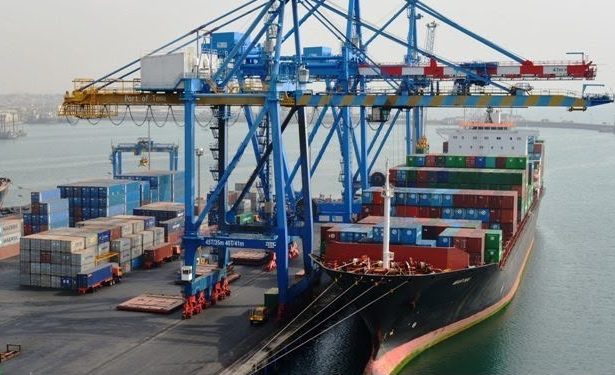
The Importers and Exporters Association of Ghana has proposed the establishment of dedicated holding depots along the railway network to store empty shipping containers and ease congestion at the country’s ports.
The Association’s Executive Secretary, Samson Asaki Awingobit, said limited space for receiving empty containers was contributing to congestion around the ports and increasing operational costs for importers and truck operators.
He proposed that suitable locations along the railway network be converted into holding facilities where empty containers could be stored and retrieved when required by shipping lines.
Mr Awingobit made the proposal during a courtesy call by the Association’s leadership on the Ghana Railway Development Authority.
He said the facilities would provide additional storage space, improve container management and free up capacity at the ports.
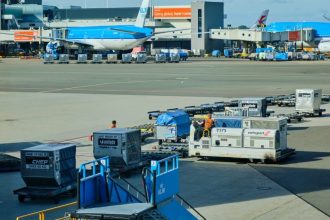
“That is the way to go. You can always send the empty containers there and bring them when the vessel is ready,” he said.
Delays in container returns increase import costs
Mr Awingobit also highlighted the additional costs importers incur when empty containers cannot be returned promptly after goods have been discharged.
He explained that some trucks remain parked at shipping lines’ empty container terminals for days because of limited space to receive returned containers.
The delays, he said, result in additional truck retention charges, increasing transportation costs for importers and ultimately contributing to higher prices for consumers.
“Those monies to MPS and the shipping lines leave the shores of Ghana,” he said, arguing that the additional charges undermine efforts to reduce the cost of doing business.
He said the proposed depots could provide alternative locations for receiving and storing empty containers, reducing delays in the return process.
Importers push for greater use of rail freight
Beyond container management, the Association is calling for stronger collaboration among the railway authority, port operators, shipping lines and other stakeholders to improve cargo movement and logistics efficiency.
It is also advocating greater use of rail transport to move cargo from the ports to inland destinations.
The Association believes this could reduce reliance on trucks, ease pressure on the road network and improve the movement of goods across the country.
Mr Awingobit assured the railway authority of the Association’s support for initiatives to improve freight transportation but stressed that it would hold relevant institutions accountable for delivering on their commitments.