

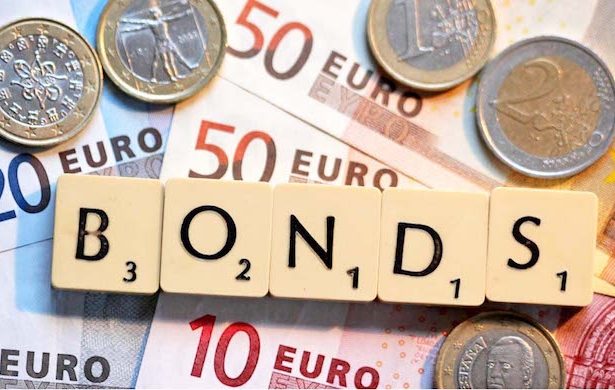
Ghana is expected to face about US$6.4 billion in sovereign bond principal repayments between 2027 and 2030, placing the country among those with the largest Eurobond maturities in Africa, the World Bank has said.
The figure is contained in the World Bank’s October 2026 Africa Economic Update, which highlights the refinancing pressures facing several Sub-Saharan African countries as large volumes of sovereign bonds approach maturity.
Ghana’s projected maturities are equal to those of Nigeria, which also has US$6.4 billion due over the period, while South Africa has the highest amount at US$11.8 billion.
The World Bank said Ghana’s repayment profile reflects borrowing undertaken before the country’s debt restructuring, as well as bonds issued through the subsequent debt exchange.
Ghana completed its Eurobond debt exchange in October 2024, converting defaulted bonds into restructured instruments as part of efforts to restore debt sustainability and ease immediate financing pressures.
More Read
Although the restructuring reduced near-term repayment obligations, the World Bank said significant maturities over the coming years would continue to require careful debt management.
The report noted that Ghana’s financial position and investor sentiment had improved following the debt restructuring, fiscal consolidation measures and progress under the International Monetary Fund-supported programme.
It said Ghana’s sovereign spreads, which reflect the premium investors demand to hold the country’s debt, fell sharply from about 2,828 basis points in 2023 to 239 basis points by August 2026.
The improvement followed the completion of the debt restructuring and Ghana’s reclassification to moderate risk of debt distress.
Despite the improved market conditions, the size of the upcoming Eurobond maturities means debt managers will need to maintain fiscal discipline and carefully manage refinancing requirements.
The World Bank said the broader challenge for countries across Sub-Saharan Africa was to meet upcoming debt obligations while preserving access to international capital markets and avoiding renewed pressure on public finances.