Operators of electric vehicle (EV) charging stations in Ghana will be required to obtain approval from the Energy Commission before setting up their facilities under legislation currently before Parliament.
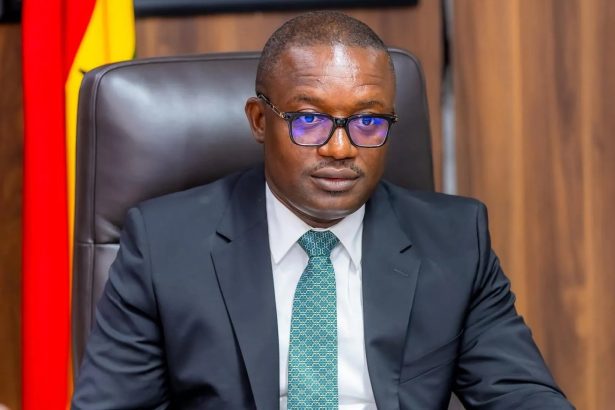
Energy and Green Transition Minister John Abdulai Jinapor said the proposed regulation is intended to prevent unplanned EV charging infrastructure from placing excessive pressure on Ghana’s electricity network.
Speaking at the 2026 Future of Energy Conference in Accra on Tuesday, August 25, the Minister said the growing adoption of electric vehicles was creating new demands on the power grid that must be properly managed.
He said some modern EVs can now be fully charged within five to 10 minutes, meaning charging stations can draw large amounts of electricity within a short period.
According to Jinapor, charging stations established without assessing the capacity of the electricity network in their locations could result in transformer failures and disrupt power supply to other consumers.
More Read
“What we witness is that people set up EV charging stations and immediately the transformer gets blown. So what we are saying is that you would need permission to set up that EV charging station from the Energy Commission,” he said.
He explained that the approval process would allow authorities to determine whether the existing electricity infrastructure can support a proposed charging station before it begins operations.
Where necessary, the government would be able to upgrade the network or install additional transformers to meet the increased demand.
Jinapor said the approach would help Ghana expand its electric mobility infrastructure without compromising the reliability of electricity supply to households and businesses.
“We want to ensure that we have reliable supply of power, not just for your EV charging station, but for other uses, including industrial usage,” he added.
Meanwhile, the Executive Director of the Africa Centre for Energy Policy (ACEP), Ben Boakye, disclosed that government’s renegotiation of contracts with Independent Power Producers (IPPs) had saved the state about $250 million.
The proposed regulation comes as Ghana expands its electric mobility infrastructure while grappling with the need to ensure that emerging electricity demand does not undermine the stability of the national power grid.