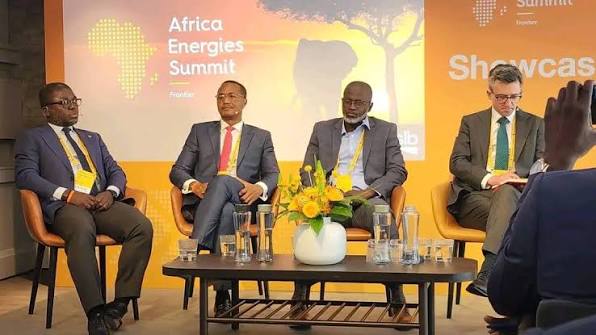
The Energy Chamber Ghana has called for a boycott of the Africa Energies Summit, citing what it describes as discriminatory hiring practices and the systematic exclusion of African professionals from key roles within the event’s structure.
In a press release dated 2 April 2026, the Chamber expressed “deep concern” over what it says is the continued marginalisation of African talent in the organisation of the summit, which is hosted by Frontier Energy Network in London.
According to the Chamber, consultations with stakeholders across Ghana’s petroleum and broader energy sector revealed widespread dissatisfaction with the lack of meaningful African representation in leadership, recruitment, and decision-making processes tied to the summit.
It has therefore urged Ghanaian institutions, policymakers, engineers, investors, academics, and private sector players to reconsider participation in the event until “verifiable corrective action” is taken by organisers.
“Africa cannot continue to finance platforms that speak about its resources while simultaneously narrowing access for the very professionals responsible for developing them,” the statement said.
More Read

The Chamber stressed that Ghana’s contribution to Africa’s energy sector—from petroleum governance frameworks following the Jubilee discovery to advancements in gas-to-power integration—must not be sidelined on platforms that claim to represent the continent.
It argued that local content should not be reduced to rhetoric, insisting that it must be reflected in recruitment pipelines, programme design, and leadership structures of international energy conferences.
“It is deeply troubling when conferences operating under Africa’s name fail to reflect Africa’s leadership within their own staffing architecture,” the statement noted.
The Chamber further warned that excluding African professionals from shaping such platforms undermines confidence in the sector and risks sending the wrong signal to the next generation of energy experts across the continent.
While taking a firm stance, the Chamber clarified that its position is not anti-collaboration but rather a call for fairness and mutual respect in global partnerships.
“Partnership cannot mean participation without representation,” it stated, adding that Africa must not be treated merely as a marketplace for attendance while its professionals are relegated to the sidelines.
The Chamber is demanding immediate corrective measures from summit organisers, including the public disclosure of workforce diversity data, clarity on recruitment and decision-making processes, and demonstrable inclusion of Africa-based professionals in leadership and programming roles.
It also called for structured engagement with African institutions to support workforce development and strengthen local capacity within the energy sector.
The Chamber maintained that Africa’s growing pool of skilled professionals must be given equitable opportunities to shape conversations and decisions about the continent’s energy future.