Ghana is set to establish a Blue Economy Commission to coordinate the management of the country’s marine, coastal and inland water resources under a unified legal and institutional framework.
The proposed Commission is at the centre of a draft Ghana Blue Economy Commission Bill currently being reviewed by key stakeholders ahead of its submission to Parliament.
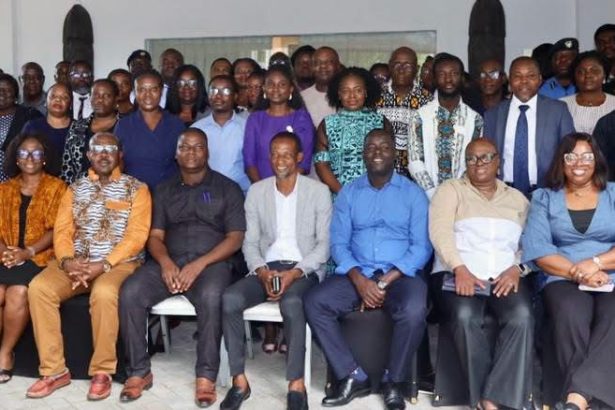
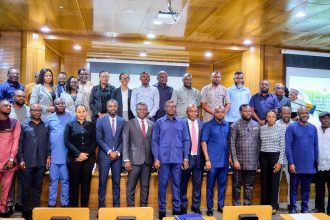
Experts and representatives from academia, civil society, development agencies, the private sector, maritime authorities and local fishing communities are participating in a two-day review of the proposed legislation in Accra.
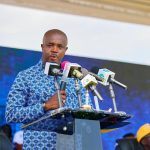
Opening the engagement at the La Villa Boutique Hotel on Monday, September 7, 2026, the Coordinator of the Blue Economy Secretariat, Fred Antwi Boadu, said the bill would provide the legal foundation for a coordinated approach to Ghana’s blue economy.
“This bill is designed to translate Ghana’s blue economy vision into a coordinated, enduring institutional framework,” Mr Antwi Boadu stated.
More Read
He said the legislation was intended to unify governance of the country’s aquatic resources while creating opportunities for sustainable economic development and protecting vital marine and coastal ecosystems.
Mr Antwi Boadu stressed that the proposed framework must also protect vulnerable marine habitats and support resilient livelihoods for Ghanaians whose livelihoods depend on water-based activities.
The stakeholders are reviewing the draft legislation to ensure it incorporates modern environmental standards and responds to issues including climate resilience, sustainable economic development and long-term ecological protection.
The review is expected to produce technical recommendations to strengthen the bill before it is finalised for consideration by Parliament.
If enacted, the Ghana Blue Economy Commission will serve as the central authority for coordinating national efforts towards the sustainable development and utilisation of Ghana’s marine, coastal and inland water resources.