The government has commenced the implementation of its Free Primary Healthcare programme in 135 districts across Ghana’s 16 regions, with a target to extend the initiative nationwide by the end of 2027.
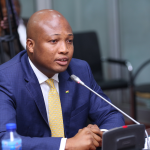
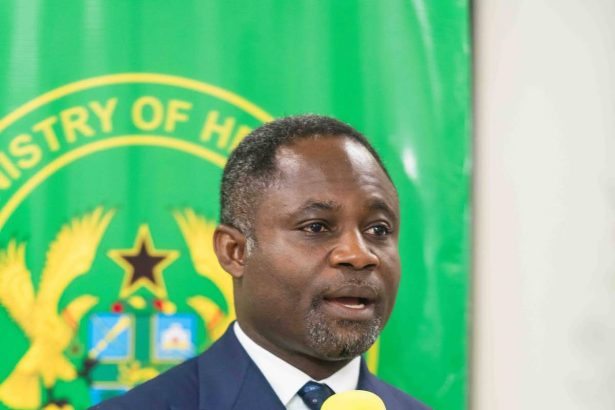
The Minister for Health, Kwabena Mintah Akandoh, said the initial rollout forms part of the government’s broader health sector reforms aimed at shifting healthcare delivery from hospitals to communities, with greater emphasis on prevention and early detection.
Speaking at a press conference to mark the commencement of the programme, Mr Akandoh said the government initially targeted 150 deprived districts, with the remaining 15 expected to be brought on board by the end of 2026.
He said extensive preparations had been undertaken since the programme was launched in April 2026, including the training of health workers and the retooling of primary healthcare facilities.
More than 4,000 health facilities are currently ready to participate in the programme, with 4,574 facilities listed for implementation. These include 3,781 Community-based Health Planning and Services (CHPS) compounds, 746 health centres and 48 polyclinics.
Facilities operated by the Christian Health Association of Ghana (CHAG) and other partners are also included in the programme.
The Minister disclosed that more than 24,500 pieces of equipment had been distributed to CHPS compounds, health centres and polyclinics to support the rollout.
The Ministry has also received 5,000 health worker bags containing basic equipment for house-to-house services, while additional supplies are expected in the coming weeks.
Mr Akandoh said the government is further expecting more than 7,000 motorbikes and tricycles to facilitate the movement of health professionals into communities.
He, however, clarified that the Free Primary Healthcare programme does not amount to free universal hospital care.
According to him, the initiative covers services provided at the primary healthcare level, including CHPS compounds, health centres and polyclinics.
He also stressed that the programme is not a replacement for the National Health Insurance Scheme (NHIS), but is intended to complement it by reducing the burden of preventable and treatable conditions on the scheme.
Residents in the 135 districts currently covered by the programme will not be required to possess an NHIS card to access services.
Mr Akandoh said beneficiaries could walk into participating facilities, register and receive care under the programme.
He cautioned health workers against charging patients for services covered under the initiative, warning that the Ministry would investigate reports of illegal payments and take disciplinary action where necessary.
The Minister urged residents in the participating districts to take advantage of the programme by seeking preventive care and screening rather than waiting until illnesses become severe.
He also announced dedicated telephone lines for complaints and concerns relating to the programme. Telecel users can call 06447, while MTN users can call 05444 46447 for assistance and to lodge complaints.