Fishing communities in the Volta Region have reached a landmark agreement to voluntarily limit the use of the controversial poli fishing net, marking what could become one of Ghana’s most significant community-led fisheries management reforms.
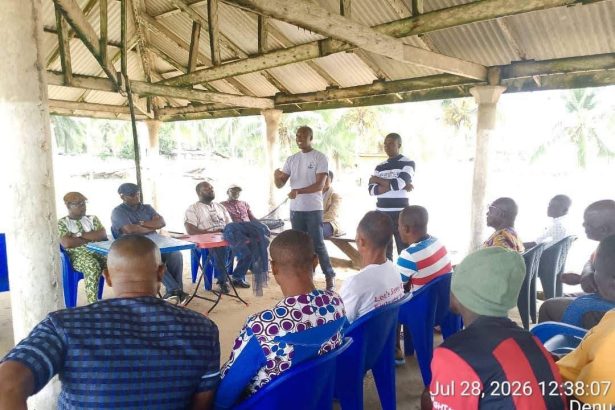
The decision follows extensive engagements between fishers from Adina, Agavedzi, Denu and Hedzranawo, the Ministry of Fisheries and Aquaculture (MoFA), the Fisheries Commission, Global Fisheries and Resilience Action (GFRA) and Blue Ventures.
Under the agreement, poli—a prohibited small-mesh fishing gear commonly used to harvest anchovy—will only be used between August and February, the peak anchovy fishing season. Its use will cease from March to July to minimise the capture of juvenile fish and support the recovery of depleted fish stocks.
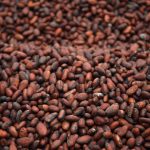
For years, the widespread use of poli has remained one of the country’s most difficult fisheries management challenges. While anchovy is a vital source of food and income for coastal communities, the gear’s small mesh size has also trapped large numbers of juvenile fish from other species, frustrating conservation efforts.
Although Ghana’s fisheries laws prohibit poli, enforcement has been weak because many fishing communities depend on it for their livelihoods.
More Read

Rather than waiting for stricter enforcement, fishers have agreed to enforce the seasonal arrangement collectively across the Volta Region, committing themselves to ensuring compliance within their own communities.
The initiative forms part of a broader, science-based programme led by GFRA and Blue Ventures to explore practical alternatives to the current total ban.
Working with MoFA, the Fisheries Commission and Landing Beach Enforcement Committees (LaBECs), the partners are developing a Seasonal Poli-Watcha Standard Operating Procedure and sampling protocol to guide implementation, monitoring and compliance.
LaBEC members will undergo specialised training to inspect fishing gear, monitor catches, assess juvenile fish landings, collect fisheries data and report suspected violations.
Routine inspections, catch sampling and field monitoring will generate scientific evidence to determine whether seasonal use of poli can effectively protect juvenile fish while allowing targeted anchovy harvesting.
The findings will be presented to the Fisheries Commission and its Scientific and Technical Committee to support future decisions on whether Ghana’s regulatory framework should move from a total ban to a legally recognised seasonal management system.
Despite the agreement, stakeholders stress that poli remains prohibited under existing law until any regulatory changes are formally approved.
If successful, the initiative could become a national model for balancing fisheries conservation with the economic realities facing Ghana’s artisanal fishing communities, while offering a practical solution to one of the sector’s longest-standing management challenges.