

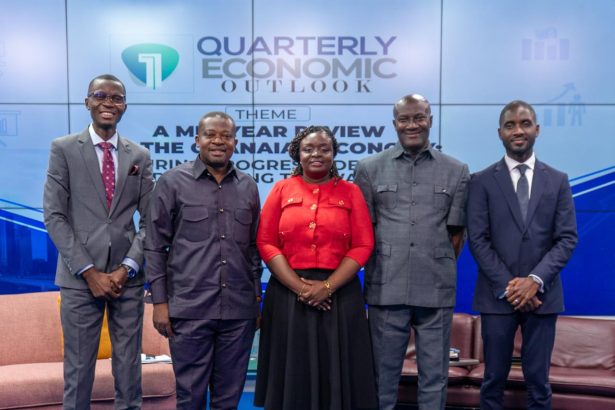
Ghana’s economy is steadily recovering from one of its most difficult periods in recent history, but economists and business leaders have cautioned that maintaining the momentum will require disciplined policy making, stronger private sector investment and far-reaching structural reforms to ensure that recent macroeconomic improvements translate into better living standards for citizens.
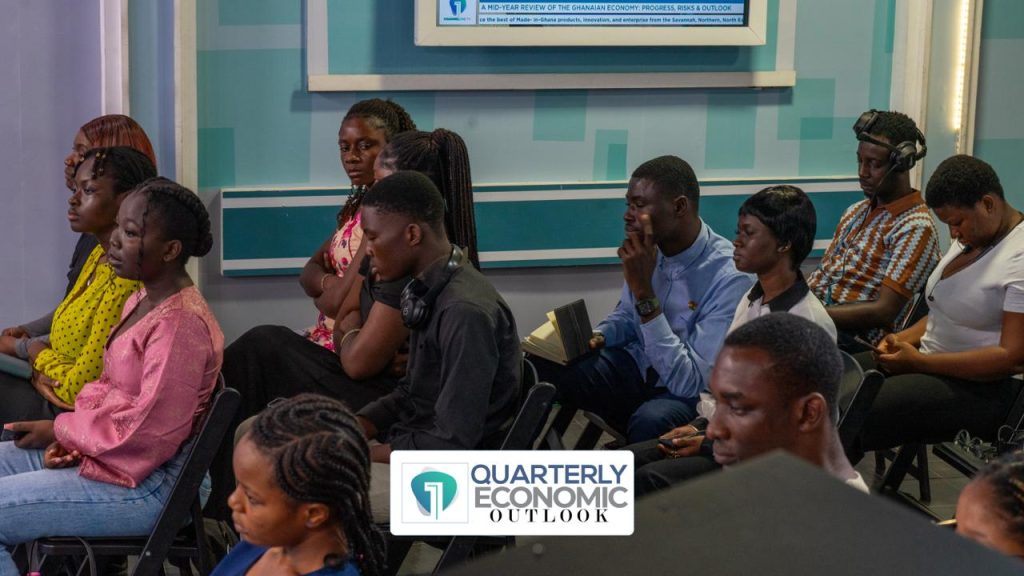
The call was made during Channel One TV’s second Quarterly Economic Outlook held in Accra on Thursday, July 9, 2026, under the theme, “A Mid-Year Review of the Ghanaian Economy: Measuring Progress, Identifying Risks and Charting the Way Forward.”
The forum brought together economists, bankers, business executives and private sector leaders to assess Ghana’s economic performance at the halfway point of the year while identifying opportunities and risks likely to shape the country’s economic outlook in the months ahead.
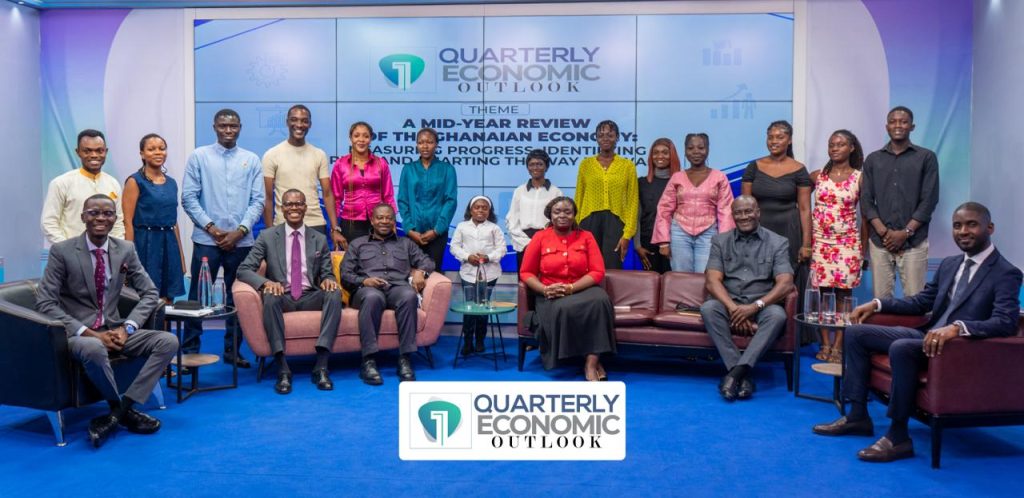
Participants agreed that Ghana has moved beyond the severe macroeconomic crisis experienced in recent years and is gradually returning to a more stable growth trajectory, citing improving inflation, exchange rate stability, stronger international reserves and prudent fiscal management as signs that the economy is regaining momentum.
Economist at the University of Ghana Business School, Prof. Agyapomaa Gyeke-Dako, said current economic indicators suggest Ghana remains on course to achieve its growth target for the year.
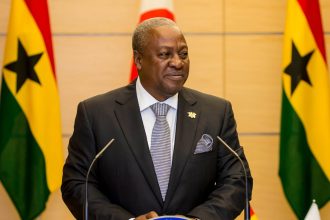
“GDP has expanded by about 6.4% compared to around 6.2% during the same period last year. We are building momentum towards the projected growth of between 4.8% and 5%,” she said.
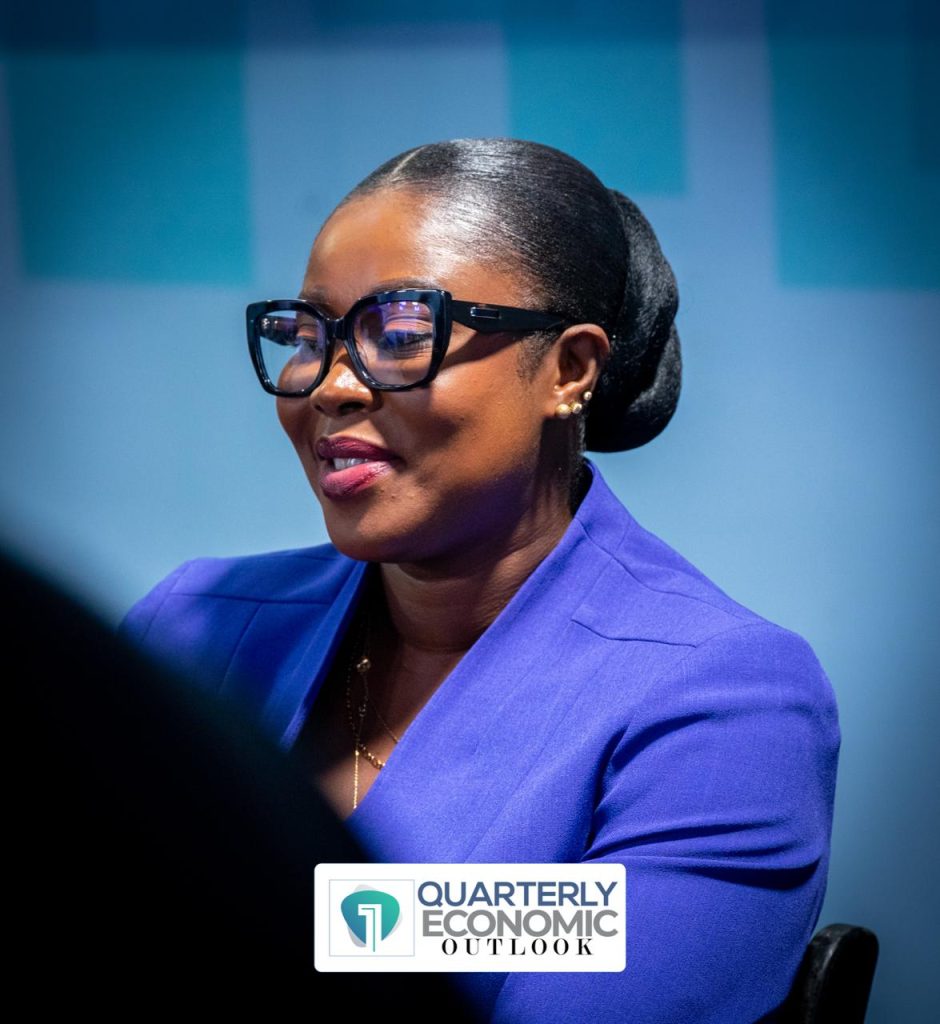
Despite the encouraging macroeconomic indicators, speakers stressed that stabilising the economy alone would not be sufficient unless businesses and households begin to experience tangible improvements in their economic conditions.
Prof. Gyeke-Dako urged policymakers to ensure that economic recovery translates into broad-based prosperity through greater investment in productive sectors capable of creating jobs and attracting private capital.
“We need to be very intentional so that the macro-correction translates into microeconomic distribution,” she stated.
On inflation, participants described the recent increase in headline inflation to 5.3 percent in June as largely temporary, attributing it mainly to higher transport fares and fuel prices triggered by geopolitical tensions in the Middle East.
They maintained that underlying inflation remains relatively subdued and should remain manageable if current economic policies are sustained.
The business community, however, expressed concern over the high cost of electricity, warning that rising utility tariffs continue to undermine the competitiveness of local industries.
The Chief Executive Officer of the Association of Ghana Industries, Seth Twum-Akwaboah, criticised recent electricity tariff increases for bulk industrial consumers, arguing that reducing production costs must become a central pillar of Ghana’s industrialisation agenda.
Although interest rates have declined over the past year, businesses indicated that affordable credit remains difficult to access.
Mr. Twum-Akwaboah observed that much of the banking sector’s lending continues to favour commerce rather than productive sectors such as manufacturing and agriculture.
President of the Ghana Union of Traders’ Associations, Clement Boateng, urged banks to diversify their sources of revenue instead of relying predominantly on interest income, saying increased competition could further lower lending costs.
The Head of Trading, Global Markets at Absa Bank Ghana, Andrews Akoto encouraged businesses to explore Ghana’s capital market as a source of long-term financing for expansion projects, stressing that strong corporate governance and transparent financial reporting would make firms more attractive to investors.
The forum also highlighted the significant contribution of gold exports to Ghana’s external sector performance.
Managing Partner of Konfidants, Michael Kottoh, noted that sustained global demand for gold has boosted Ghana’s foreign reserves to about US$14 billion, providing approximately 5.7 months of import cover while supporting exchange rate stability.
He also disclosed that diaspora remittances reached an estimated US$7.8 billion in 2025, nearly three times the country’s foreign direct investment, and predicted that inflows would continue to grow as more skilled Ghanaians work abroad while supporting families and investments at home.
Participants further identified non-traditional exports as a major driver of future economic growth after exports in the sector exceeded US$5 billion for the first time.
They encouraged exporters to take advantage of China’s zero-tariff policy for African products by increasing value-added exports such as processed cocoa, cashew and shea products.
Regional developments also featured prominently during the discussions, with speakers warning that instability across the Sahel poses both risks and opportunities.
Mr. Kottoh cited Burkina Faso’s restrictions on tomato exports as a possible source of food price increases in Ghana but said the situation also presents an opportunity for Ghana to expand domestic tomato production and agro-processing.
He further warned that growing regional insecurity could compel Ghana to increase defence spending, potentially limiting resources available for education, healthcare and infrastructure.
The forum concluded that although Ghana’s macroeconomic fundamentals are steadily improving, sustaining the recovery will depend on continued fiscal discipline, prudent debt management and reforms that enhance productivity, strengthen private sector competitiveness and ensure that economic stability delivers meaningful improvements in employment, incomes, business growth and household welfare.