
The Minister for Health, Kwabena Mintah Akandoh, has challenged District Directors of Health Services (DDHS) to take ownership of the government’s Free Primary Healthcare (FPHC) policy and ensure it translates into actual services for communities.
Mr Akandoh said government policies, documents and public announcements would have little impact if health professionals responsible for delivering services at the district and community levels failed to implement them effectively.
“Policy documents will not check blood pressure,” the minister said, stressing the need for district health managers to move beyond policy discussions and focus on practical delivery.
He made the remarks at the 33rd Annual Conference of the District Directors of Health Services Group Ghana, held under the theme “From Policy to Practice: The DDHS Driving Free Primary Health Care in Ghana.”
Mr Akandoh described District Directors of Health Services as the “soldiers on the ground” and urged them to understand the FPHC policy thoroughly and communicate its objectives effectively to health workers and communities.
More Read
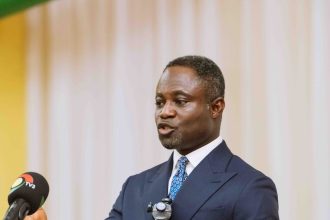
According to him, the success of the policy would largely depend on how it was implemented at the district and community levels, where residents directly interact with the health system.
He explained that Free Primary Healthcare was intended to complement the National Health Insurance Scheme (NHIS), while strengthening preventive, promotive and curative healthcare services.
The policy is expected to strengthen healthcare delivery at Community-based Health Planning and Services (CHPS) compounds, health centres and polyclinics, bringing essential services closer to communities.
Mr Akandoh therefore tasked district health directors with ensuring that the policy does not remain a government document but becomes a practical intervention that improves access to healthcare.
The conference is focused on strengthening district-level leadership and ownership of the FPHC policy, with particular emphasis on translating government policy into accessible, quality and equitable healthcare services.
The minister’s charge comes as the government seeks to deepen primary healthcare delivery and make basic healthcare services more accessible to people across the country.