Source: BBC
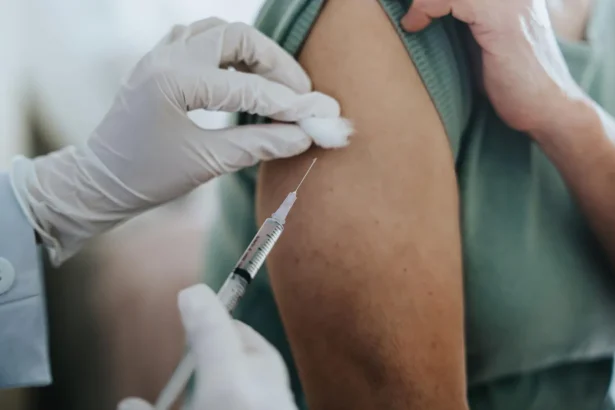
A personalised cancer vaccine developed by Moderna and Merck has shown encouraging results in patients with high-risk melanoma, with early trial findings indicating that it can help keep the disease from returning when combined with an existing immunotherapy drug.
The vaccine, known as Intismeran, was tested alongside Keytruda, a drug already used to treat cancer. The companies said the combination significantly extended the period patients remained cancer-free compared with Keytruda alone.
The treatment also reduced the risk of melanoma spreading to other organs, according to the companies.
The Phase 3 trial involved more than 1,000 patients with high-risk stage two, three or four melanoma. Participants received the treatment after undergoing surgery to remove their tumours.

The vaccine is described as personalised because it is designed specifically for each patient’s tumour.
Scientists take a small sample of the tumour removed during surgery and sequence its DNA to identify mutations unique to the cancer. Using mRNA technology, the vaccine is then produced to train the patient’s immune system to identify and attack cancer cells carrying those mutations.
The approach uses the same broad mRNA technology that was deployed in some Covid-19 vaccines.
However, experts have urged caution because the latest findings are interim results and have not yet been fully released or independently peer-reviewed.
Dr Talisia Quallo, head of prevention and early detection at Cancer Research UK, said the findings “show promise” but stressed that the interim data still requires full review.
She said continued investment in research would be important in developing more personalised treatment options for people living with cancer.
Dr Lennard Lee, a consultant medical oncologist and associate professor at the University of Oxford, described the results as positive news for melanoma patients and said the implications could extend beyond the disease.
He said the findings provide evidence that personalised cancer vaccines could work as a broader cancer treatment approach.
Moderna chief executive Stéphane Bancel described the results as a “pivotal moment” for cancer research.
The companies are also testing similar personalised vaccine approaches for lung, bladder and kidney cancers.
Despite the positive results, the treatment is not yet available for routine use. It must complete the clinical trial and regulatory approval processes before it could potentially become available through health systems such as the NHS.
The announcement has also had a significant impact on the companies, with shares in both Moderna and Merck rising following the release of the findings.