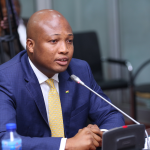
Parliament has approved the Legal Education Bill, 2025, setting the stage for far-reaching changes to Ghana’s legal training system, including a major overhaul of how future lawyers are prepared for the Bar.
Central to the new law is the establishment of a Council for Legal Education and Training, a regulatory body tasked with overseeing legal education and enforcing uniform curriculum standards across institutions.
The legislation also dismantles the long-standing monopoly of the Ghana School of Law by transferring professional legal training to accredited universities.
Under the new regime, universities approved by the council will offer a Law Practice Training Course, designed to prepare candidates for a national Bar examination.
The move is widely seen as an attempt to expand access to legal education and address longstanding concerns over limited admissions and bottlenecks within the current system.
More Read

Debate on the Bill, however, exposed sharp political divisions on the floor of the House. Majority Leader Mahama Ayariga defended the legislation as a fulfilment of the ruling National Democratic Congress (NDC)’s campaign promise to reform legal education and make it more accessible.
He maintained that the reforms reflect the party’s commitment to equity and fairness in professional training.
But Minority Leader Alexander Afenyo-Markin challenged that assertion, accusing the government of selectively delivering on its promises.
While acknowledging the importance of legal education reform, he argued that the administration must demonstrate equal urgency in addressing other commitments made to Ghanaians.
The passage of the Bill is expected to reshape legal training in the country, but its implementation is likely to be closely scrutinised, particularly as stakeholders assess whether the reforms will indeed widen access without compromising standards.