The Ministry of Trade, Agribusiness and Industry (MoTAI) and the Japan International Cooperation Agency (JICA) have advanced preparations for the implementation of a four-year project aimed at boosting Ghana’s agro-processed exports under the African Continental Free Trade Area (AfCFTA).
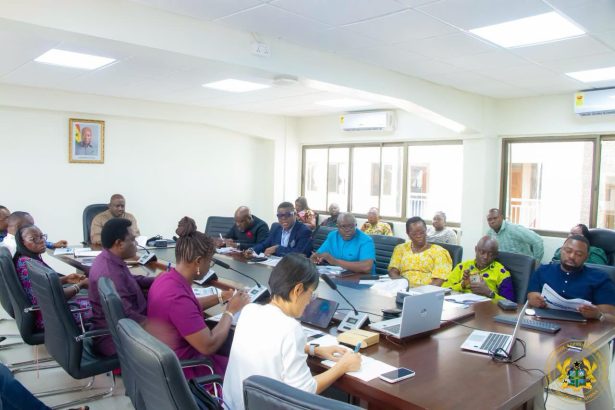
The follow-up meeting, held on Thursday, 3 September, brought together directors and technical officials of the ministry. It was led by the Chief Director, Noah Tumfo, on behalf of the Minister for Trade, Agribusiness and Industry, Elizabeth Ofosu-Adjare, while the JICA delegation was headed by Aizu Naho.
The proposed project is scheduled to run from November 2026 to October 2030 and seeks to expand intra-African exports of agro-processed products by leveraging opportunities under the AfCFTA.
During the meeting, JICA outlined the scope of the project, lessons from similar food value-chain initiatives in Asia, the schedule for the detailed planning survey, proposed activities and the roles of key stakeholders in Ghana.
The discussions also reviewed progress made during two earlier phases of the initiative. The first phase, completed in 2024, focused on developing the AIDA/AfCFTA Standard Guide for Country Assessment.

The second phase, undertaken between August 2025 and March 2026, involved pilot assessments in five countries, including Ghana, culminating in a Country Impact Assessment Report and a Policy Brief.
The policy brief identified priorities for strengthening Ghana’s agro-processing sector, including expanding value addition and processing capacity, improving the competitiveness of firms, supporting industrial-scale production, enhancing service delivery and promoting inclusive participation across the value chain.
According to the ministry, the project is expected to strengthen value-chain strategies, improve the export capacity of private enterprises, enhance government support for exporters and increase Ghana’s agro-processed exports to African markets.
In his closing remarks, Noah Tumfo said there was still room for further engagement with stakeholders, including the Food and Drugs Authority, before the project begins.
He said involving relevant institutions would help address technical and regulatory requirements to ensure the successful implementation of the programme.