Ghana is targeting 70% penetration of very-low-global-warming-potential refrigerants in air conditioners by 2030 as part of efforts to cut emissions from the country’s refrigeration and air-conditioning sector.
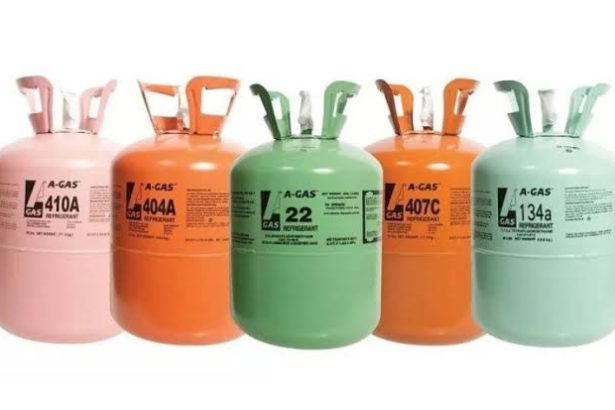
The commitment forms part of Ghana’s obligations under the Kigali Amendment to the Montreal Protocol, which seeks to reduce the use of hydrofluorocarbons (HFCs) and promote climate-friendly cooling technologies.
The Environmental Protection Authority (EPA), in partnership with the United Nations Development Programme (UNDP), announced the progress as Ghana joined the global community on Wednesday, September 16, 2026, to mark World Ozone Day.
This year’s observance is being held under the theme, “Global Action for a Cooler Planet,” marking a decade since the adoption of the Kigali Amendment.
Ghana has been a party to the Montreal Protocol since 1989 and has ratified all its amendments, including the Kigali Amendment.

The EPA said Ghana had completely phased out the consumption of chlorofluorocarbons (CFCs) by 2010 and was continuing to reduce hydrochlorofluorocarbon (HCFC) consumption under its HCFC Phase-out Management Plan.
The transition is now shifting greater attention towards HFCs, which do not deplete the ozone layer but can have high global warming potential.
To support the transition, the EPA said it had secured the passage of the Refrigeration and Air Conditioning Technicians Certification Regulations, 2025 (L.I. 2503), which standardises the training and certification of refrigeration and air-conditioning technicians.
The regulation is intended to ensure technicians can safely install, maintain, decommission and handle alternative refrigerants while reducing refrigerant leaks.
Another regulation, L.I. 2505 (2025), provides an updated framework for managing ozone-depleting substances, halocarbons, their alternatives and related products.
The EPA has also adopted a National Cooling Plan and a Refrigeration and Air Conditioning Roadmap to guide the shift towards energy-efficient equipment using refrigerants with lower global warming potential.
The Authority is promoting natural refrigerants such as propane (R290), isobutane (R600a), ammonia and carbon dioxide for domestic, commercial and industrial cooling.
It has also rolled out a voluntary green-label scheme designed to help consumers identify appliances using natural or low-global-warming-potential refrigerants.
The EPA said the country was strengthening controls at the borders through the training and engagement of customs and enforcement officers to prevent illegal trade in banned refrigerants and inefficient cooling appliances.
It is also establishing refrigerant recovery and recycling centres to improve the management of used refrigerants and reduce emissions from the servicing and disposal of cooling equipment.
The Authority said the transition could deliver benefits beyond environmental protection, including lower energy costs from more efficient appliances, new skills and green jobs for certified technicians and improved access to climate-friendly cooling technologies.
The EPA has therefore urged households and businesses to check the refrigerants and energy ratings of cooling appliances before purchasing them and to engage only trained and certified technicians.
It also called for responsible disposal of old refrigerators, freezers and air conditioners and urged the public to report suspected illegal trade in banned refrigerants and substandard cooling equipment.
The EPA and UNDP said Ghana’s continued implementation of the Montreal Protocol and Kigali Amendment would contribute to protecting the ozone layer while reducing the climate impact of the cooling sector.