The German Embassy in Ghana has called for stronger implementation of policies to tackle plastic pollution, stressing the need for coordinated action to move the country towards a circular plastics economy.
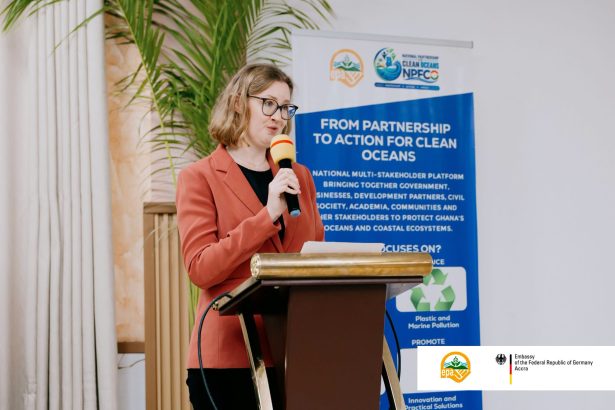
Acting Deputy Head of Mission at the German Embassy, Leonie Reese, made the call at a Policy Dialogue on Plastic Pollution organised by the Embassy in partnership with the Environmental Protection Authority (EPA).
She said addressing plastic pollution requires Ghana to move beyond developing policies to ensuring that existing measures are effectively implemented.
Ghana has already introduced measures to address plastic waste, including a nationwide ban on Styrofoam takeaway packaging scheduled to take effect in January 2027 and pilot programmes on waste segregation.
Ms Reese said tackling the problem would require collaboration among government, the private sector, civil society, academia, communities and development partners.

She also called for stronger coordination across sectors, greater use of data and innovation in policymaking, and the involvement of producers in managing plastic waste through Extended Producer Responsibility.
She said sustainable financing would also be needed to support the transition, while communities and citizens must remain central to efforts to address plastic pollution.
The German Embassy further stressed the importance of international cooperation as negotiations continue towards a legally binding global agreement on plastic pollution.
Ms Reese said Ghana could contribute to the global discussions while ensuring that international solutions take into account the country’s priorities and the realities of local communities.
She reaffirmed Germany’s commitment to supporting Ghana’s efforts to reduce plastic pollution, protect ecosystems and promote sustainable livelihoods and a more resource-efficient economy.