By Benjamin Makafui Attipoe, Accra
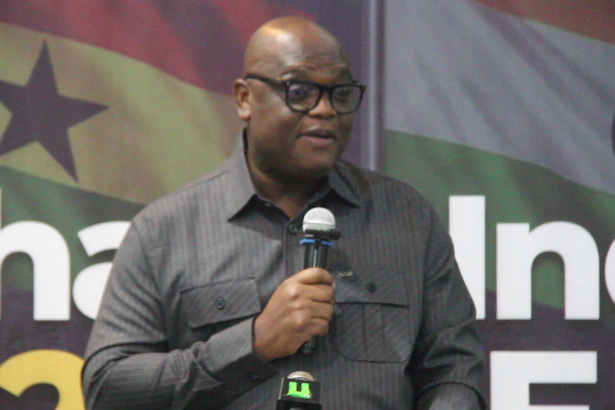
The Chief Executive Officer (CEO) of the Ghana Investment Promotion Authority (GIPA), Mr. Simon Madjie, has disclosed that trade between Ghana and India increased from approximately US$3 billion in 2024 to about US$6.5 billion in 2025, representing a 170 percent growth. He said the significant growth in bilateral trade demonstrated not only the strength of the economic relations between the two countries but also pointed to the considerable potential for further expansion, diversification of trade and investment.
Mr. Madjie was speaking at a two-day Ghana-India Business-to-Business (B2B) Meet organised in Accra by the Ghana-India Chamber of Commerce (GICC), in collaboration with the Federation of Indian Export Organisations (FIEO) with support from the Ghana-India High Commission in Ghana.
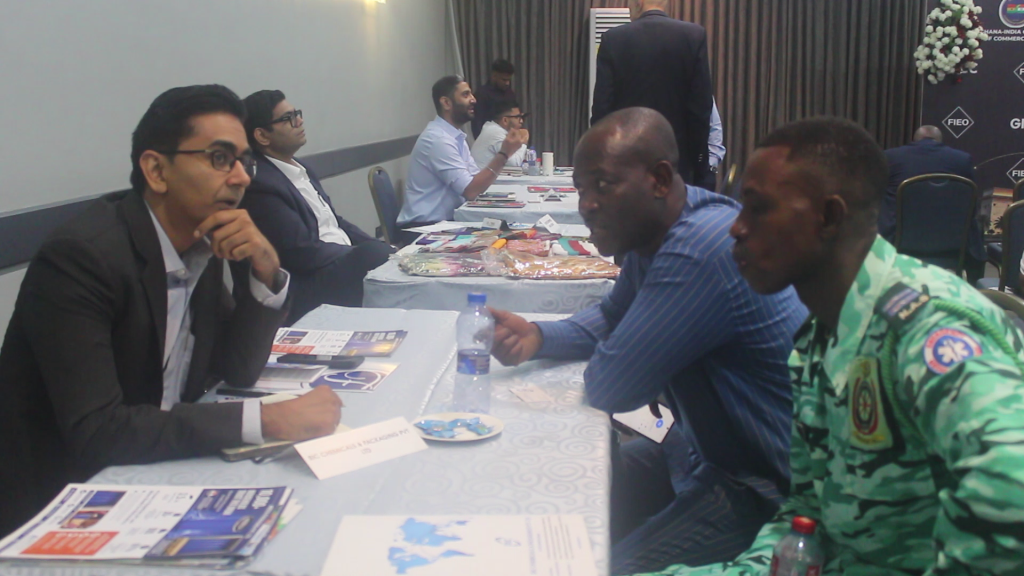
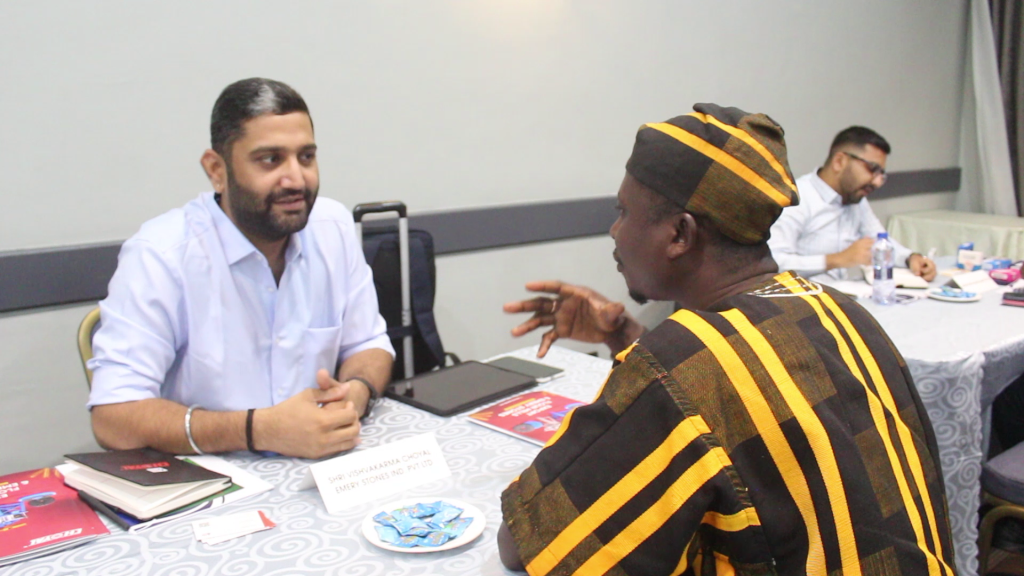
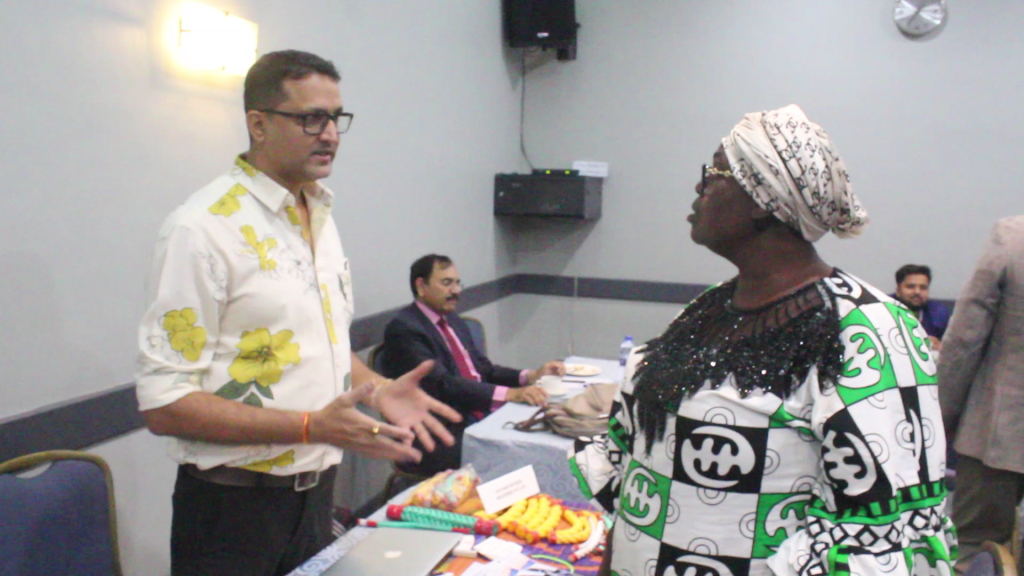
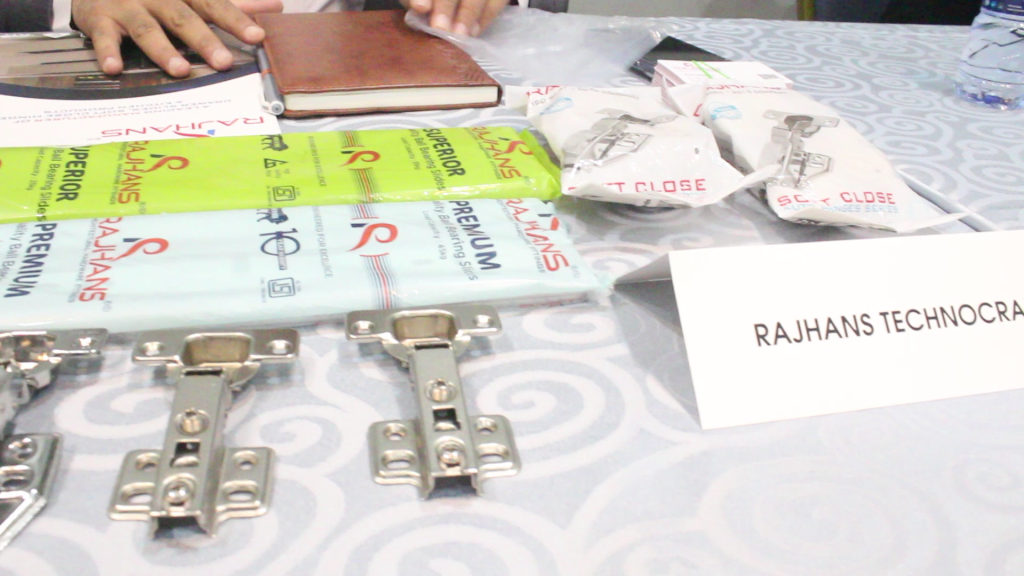
The conference brought together more than 200 Ghanaian businessmen and women from Accra, Takoradi, Koforidua and other parts of the country to explore opportunities for trade, investment, partnerships and long-term commercial cooperation. The event also provided a platform for a 20-member Indian multi-product business delegation to engage the Ghanaian buyers, importers and potential business partners.
The delegation, supported by the High Commission of India in Ghana and other relevant partner institutions, comprised businesses from more than 15 sectors, including pharmaceuticals and healthcare, engineering, goods and machinery, electricals and electronics, chemicals, automobiles and auto components, textiles, food and agricultural products, construction materials and digital solutions.
More Read

Mr. Madjie said Ghana’s exports to India increased from US$1.7 billion in 2024 to US$5.2 billion in 2025, with gold accounting for approximately 85 percent of Ghana’s total exports to India. Other Ghanaian exports to India, he said, included petroleum oils, cashew nuts, oil seeds and wood.
India’s exports to Ghana, on the other hand, comprised a broader range of manufactured goods, including machinery and mechanical appliances, vehicles, pharmaceutical products, plastics and plastic articles, iron and steel products and chemicals.
He said the Ghana Investment Promotion Authority (GIPA) had recorded more than 1,000 Indian-related investment projects between 1994 and 2026, representing an estimated foreign direct investment value of approximately US$12.07 billion.
The investments, according to him, covered sectors including manufacturing, agriculture, services, construction, general trading and export trading.
Mr. Madjie said the next phase of Ghana-India economic relations should focus on increasing investment in productive capacity, value-added production and exports, as well as deeper technology transfer. “While these figures demonstrate the strength of Ghana-India economic relations, they also point to a considerable untapped potential,” he said. He noted that Ghana provided an attractive environment for investors through its pro-investment policies, investment incentives, institutions and strategic position as a gateway to the wider African market through the African Continental Free Trade Area (AfCFTA).
The Indian High Commissioner to Ghana, Mr. Surinder Bhagat, said the B2B engagement was an important opportunity for business communities from both countries to understand each other’s requirements and establish partnerships.
He said India was one of the world’s fastest-growing economies and had an expanding business footprint in Africa, while Ghana’s strategic location and its hosting of the AfCFTA headquarters made it an attractive destination for Indian businesses. According to him, Indian companies were eager to explore Ghana’s market and use the country as a gateway to other markets in West Africa.
Mr. Bhagat said the Indian delegation represented a diverse combination of businesses, including healthcare providers, pharmaceutical companies, specialised chemical manufacturers, textile companies and other manufacturers. He expressed the hope that the interactions during the two-day conference would enable the businesses to identify suitable partners and develop solutions that would expand commercial activities between the two countries.
The High Commissioner also noted that bilateral trade had already reached close to US$8 billion, stressing the need for further diversification of the trade basket.
He said Ghana had much more to offer Indian businesses beyond the commodities currently dominating Ghana’s exports to India.
The GIPA CEO said the presence of the Indian delegation in Ghana presented an opportunity for the two countries to translate their longstanding diplomatic relations into stronger business partnerships, increased investment and greater commercial activity.
The Ghana-India B2B Meet is expected to strengthen direct contacts between Ghanaian and Indian businesses and provide opportunities for partnerships in areas with significant commercial potential.