The Ghana Armed Forces (GAF) have outlined their operational role in national disaster management as the government undertakes a nationwide assessment of the country’s preparedness for emergencies.
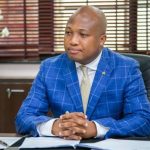
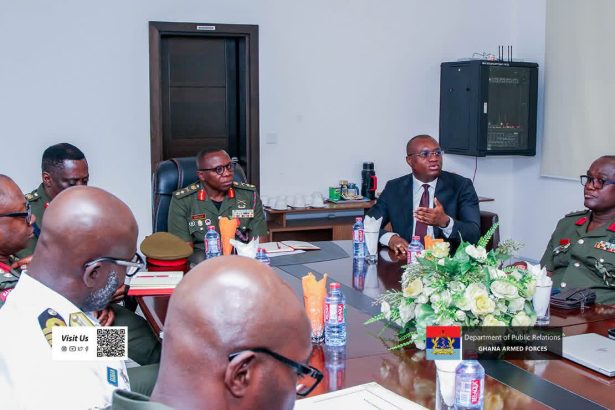
The assessment was discussed during a meeting between the Presidential Advisor on National Resilience and Emergency Preparedness, Ernest Brogya Genfi, and senior military officers at the General Headquarters, Burma Camp, on Monday, November 9, 2026.
The engagement focused on the military’s capacity to support emergency operations, coordination with civilian institutions and the resources required to strengthen Ghana’s response to disasters and other national crises.
Mr Brogya Genfi said the Armed Forces remained an important part of the country’s emergency response framework, particularly in situations where civilian institutions and emergency agencies were unable to manage the scale of a disaster.
He said the assessment would help identify operational and institutional shortcomings and guide efforts to ensure that relevant agencies were adequately equipped to respond to emergencies.
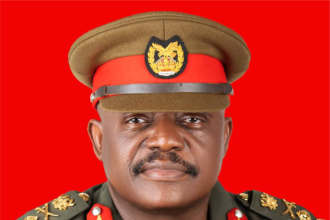
Deputy Chief of Staff in charge of Operations and Training, Major General Glover Ashong Annan, said the military’s mandate went beyond protecting the country’s territorial integrity.
He explained that the Armed Forces also had a responsibility to support the state during emergencies that threatened public safety, critical infrastructure and national stability.
Major General Annan emphasised that effective preparedness required more than documented response plans, stressing the importance of practical capabilities, inter-agency coordination and sustained operational readiness.
Providing an overview of the military’s disaster response responsibilities, Director of Operations at the Army Headquarters, Colonel Richard Amedeka, said the three services contributed to emergency management through search and rescue operations, evacuation exercises, medical assistance and the provision of security.
He also identified the transportation of relief supplies, restoration of essential services, logistical support to civil authorities and the implementation of early warning and emergency response plans as part of the Armed Forces’ responsibilities.
The meeting further highlighted the importance of cooperation between the Presidency, military, emergency services, local authorities and other institutions in safeguarding lives, property and critical national infrastructure.
Among the military officers present were Commander of the 14 Engineers Brigade, Brigadier General Richard Kinney; Deputy Director General of Joint Operations, Colonel Ernest Nyuur; and Acting Assistant Chief of Staff at the Chief of Staff’s Office, Colonel Francis Bannerman.
Also present were Director of Naval Operations, Captain (GN) Dennis Eghan, and Deputy Director of Air Operations, Wing Commander Prince Kyei-Baffour.