Tensions in the Gulf have surged after Iran’s Islamic Revolutionary Guard Corps (IRGC) claimed it had struck two ships in the strategic Strait of Hormuz, following a new wave of US military strikes on Iranian targets.
The escalation comes amid a rapidly deteriorating security situation between the United States and Iran, with both sides exchanging attacks on military and surveillance sites in recent days despite a fragile ceasefire agreement reached in April.
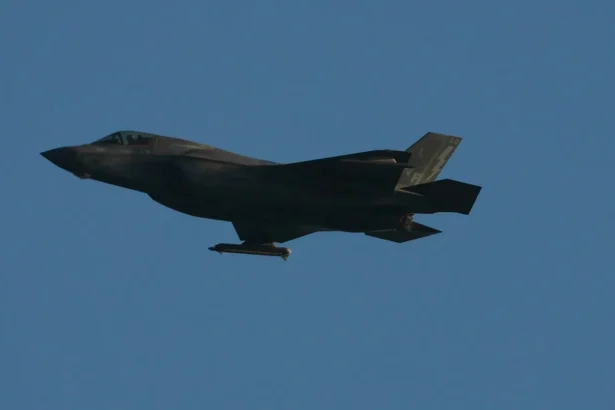
US Central Command (United States Central Command) confirmed it had launched what it described as “self-defence strikes” on Wednesday, saying the operation was in response to “unwarranted and continued aggression” from Iran.
The renewed US action follows comments by President Donald Trump, who warned that Iran would be hit “hard” and accused Tehran of taking “too long to make a deal” to end the conflict.
In response, Iranian state media reported that the IRGC had targeted vessels in the Strait of Hormuz, one of the world’s most critical oil transit routes.
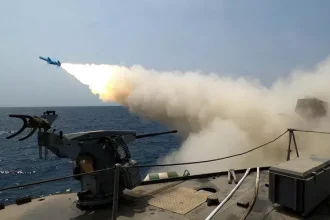
The Strait of Hormuz (Strait of Hormuz) has since become the centre of heightened military alert, with Iranian authorities also claiming the waterway had been “completely closed to all types of vessel”. However, US military officials said commercial shipping continued to move through the corridor.
The IRGC (Islamic Revolutionary Guard Corps) also reported explosions on the island of Qeshm and in several Iranian coastal cities, including Bandar Abbas and Sirik, as hostilities intensified.
Further developments on Tuesday included reports of a US helicopter being downed in an attack attributed to Iranian forces. The IRGC later claimed responsibility for retaliatory strikes on US bases across the Middle East.
US Defence Secretary Pete Hegseth (Pete Hegseth) said Iran had been given opportunities to return to negotiations but had failed to do so, warning that further strikes would follow if a peace deal was not reached.
President Trump (Donald Trump) also reiterated on his Truth Social platform that Iranian leaders had “taken too long to negotiate a deal”, while Tehran accused Washington of undermining diplomatic efforts through contradictory messaging.
Iranian President Masoud Pezeshkian (Masoud Pezeshkian) vowed that Iran would “stand firm against any pressure or threat”, signalling no immediate retreat from its position.
The Iranian Foreign Ministry further accused the United States of damaging ongoing diplomatic channels, as efforts to revive talks continue to stall.
Analysts warn that the latest exchange of strikes risks collapsing the already fragile ceasefire agreement, raising fears of a wider regional conflict if diplomatic efforts fail to regain momentum.
The situation remains fluid, with both sides maintaining military readiness across key strategic locations in the Gulf and beyond.