The Speaker of Parliament, Alban Sumana Kingsford Bagbin, has called for stronger African parliamentary cooperation to sustain economic priorities beyond electoral cycles.
He warned that the pressure on politicians to win elections is undermining long-term national development, as electoral incentives increasingly favour short-term projects over sustained economic transformation.
He said the demands on elected representatives, including expectations to provide personal financial assistance to constituents, often force them to commit their own resources to retain political support, leaving less room for long-term policymaking.
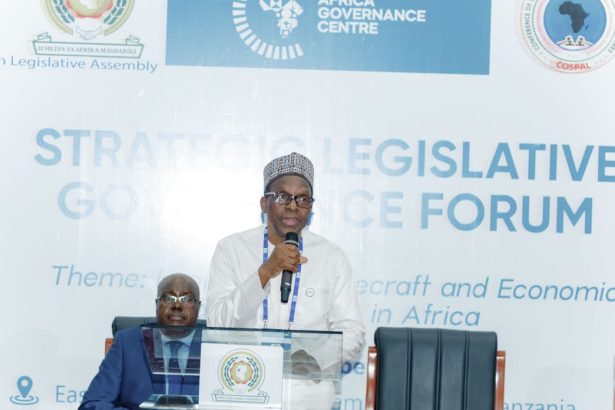
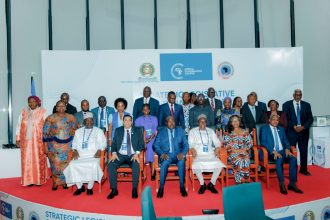
Speaking at the Strategic Legislative Governance Forum in Arusha, Tanzania, Mr. Bagbin called for stronger political institutions and cooperation among African parliaments to protect development priorities from the pressures of successive elections.
The forum was organised by the Africa Governance Centre (AGC), in partnership with the East African Legislative Assembly (EALA) and the Conference of Speakers and Presidents of African Legislatures (CoSPAL).
More Read
Mr. Bagbin explained that the desire to secure re-election often compels politicians to pursue immediate and visible results, even when sustained investments in education, industrialization and productive capacity could deliver greater benefits over time.
He argued that the problem was not simply a matter of individual politicians changing their attitudes but was rooted in political arrangements that reward short-term gains at the expense of long-term national priorities.
The Speaker cited Botswana’s post-independence experience as an example of the importance of sustained political direction and institutions capable of maintaining development strategies over time.
He stressed that African legislators must work together to reform political systems and create conditions for policies to continue beyond individual administrations.
Mr. Bagbin also called on African countries to identify their comparative economic advantages, specialise in production and expand trade within a more integrated continental market.
He said Africa’s population of approximately 1.5 billion represented enormous economic potential if countries could coordinate their industrial policies and strengthen cooperation.
According to him, fragmented national approaches have limited the continent’s ability to maximise its collective economic and political influence, particularly in global commodity markets.
He maintained that African countries could strengthen their bargaining power by working together to add value to their natural resources rather than relying heavily on exporting raw materials.
However, he noted that achieving this objective would require coordinated investment in infrastructure, technical skills and industries, alongside political commitment that extends beyond electoral cycles.
“Our individual parliaments alone cannot make it,” Mr. Bagbin said, advocating a continental federation with a president while national governments retained substantial responsibilities.
Although the proposal was not an adopted resolution of the forum, it reflected his position that stronger continental institutions were necessary to advance Africa’s shared development objectives.
He also expressed support for strengthening the Pan-African Parliament to give it a more consequential role in shaping the continent’s legislative future and advancing economic integration.
Mr. Bagbin urged parliamentary leaders to overcome differences in political background, education and ideology, arguing that such differences should not prevent cooperation on common African priorities.
The forum examined the tension between electoral incentives and the sustained legislative, budgetary and oversight responsibilities required to achieve economic transformation.
A new Strategic Legislative Governance Platform is intended to support continued cooperation among African legislatures following the gathering.
Mr. Bagbin’s intervention underscored the need for African political systems to balance immediate public expectations with the long-term investments required to build resilient economies and deliver sustainable development.