Ghana is seeking to position its economic zones as engines of industrial production, investment and exports under the African Continental Free Trade Area (AfCFTA).
The government says the zones must go beyond providing spaces for businesses and become productive industrial hubs capable of increasing local manufacturing and connecting Ghanaian businesses to markets across Africa.
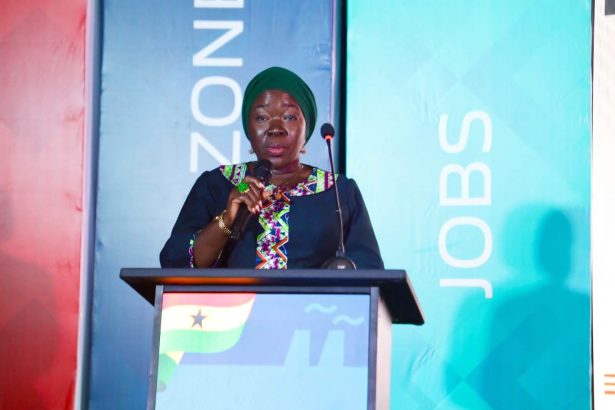
This formed part of discussions at an Economic Zones Policy Roundtable, where government and development partners examined ways to translate existing industrial policies into increased production, investment and access to larger markets.
Minister for Trade, Agribusiness and Industry, Elizabeth Ofosu-Adjare, said government’s priority is to increase domestic production, particularly in strategic sectors including textiles and garments, pharmaceuticals, automotive manufacturing and agribusiness.
According to her, the policies developed for these sectors are intended to deliver practical results by strengthening Ghana’s productive capacity.

She, however, stressed that increasing production must be matched with access to larger markets, making the AfCFTA an important component of Ghana’s industrialisation agenda.
The Minister said Ghana must take advantage of the continental trade framework to create markets for goods produced locally.
The European Union Ambassador to Ghana, H.E. Rune Skinnebach, also underscored the need to equip businesses to take advantage of trade opportunities.
He noted that trade preferences would only have value if businesses had the capacity to utilise them, calling for stronger collaboration between public and private sector stakeholders.
Head of Ghana’s Economic Zones, Thecla Wricketts, Esq., said the country’s economic zones must serve as catalysts for investment, enterprise and industrial growth.
The discussions therefore centred on how Ghana can move from policy formulation to increased production and exports, with economic zones expected to play a central role in that transition.