
Ghana has positioned its local content policy as a key driver of economic transformation, with more than $10 billion channelled into indigenous businesses through the mining sector over the past four years.
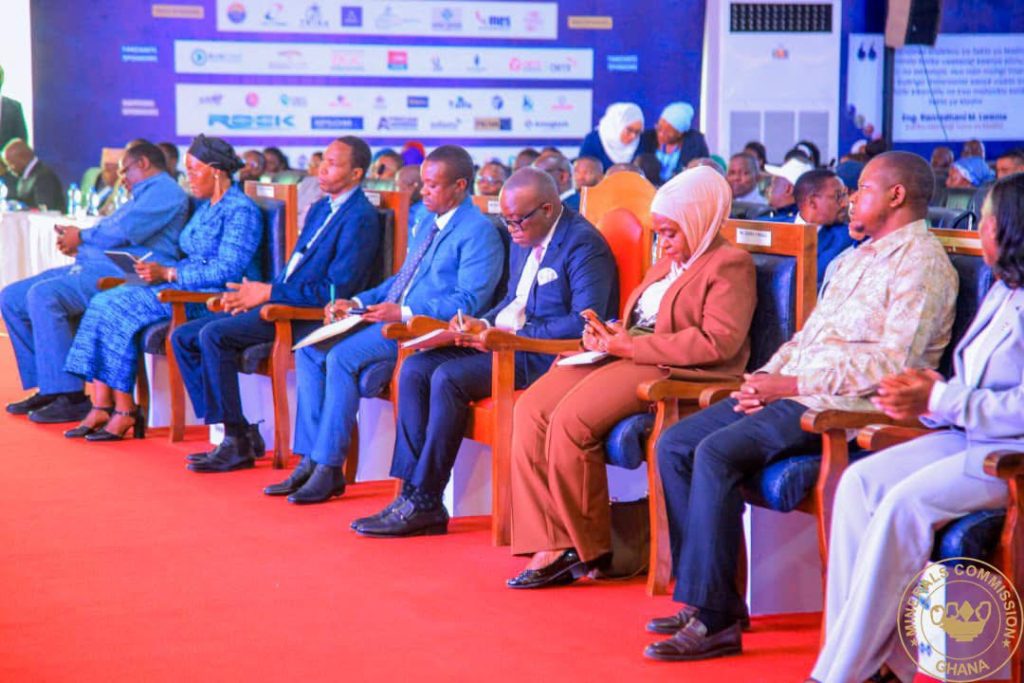
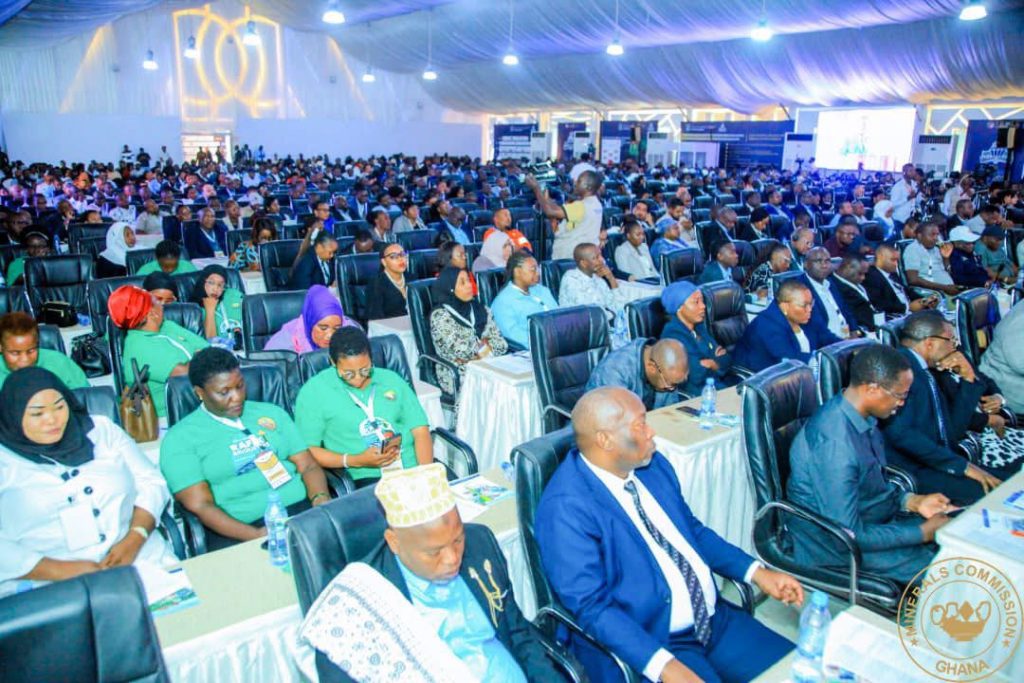
Speaking at the 5th Local Content Compliance Forum in Mwanza, Tanzania, the Deputy Chief Executive Officer of the Minerals Commission for Policy Planning, Mineral Titles and Local Content, Victoria Awuni, said local content had evolved beyond a regulatory requirement into a national strategy for industrialisation, job creation and domestic value retention.
Addressing participants on the theme “From Dialogue to Action: Building a Resilient Mining Sector through Local Content and Industrialization,” Awuni said Ghana’s localisation framework was ensuring that the country’s vast mineral resources translated into tangible economic benefits for local businesses and workers.
She noted that the mining industry remained the backbone of Ghana’s export economy, accounting for 70% of gross merchandise export earnings in 2025 and generating nearly $21 billion, outperforming the combined earnings from crude oil and cocoa.
Gold production reached almost six million ounces during the year, while direct tax contributions from the sector rose by 56.6% to more than GH¢27.7 billion.
More Read
According to her, government policy now places greater emphasis on ensuring that more of this wealth is retained within the domestic economy through local procurement, skills development and employment.
Awuni said the country’s Minerals and Mining (Local Content and Local Participation) Regulations, 2020 (L.I. 2431), require mining companies to submit five-year procurement plans and purchase goods and services listed on the official Local Procurement List.
The current sixth edition of the list contains 51 procurement categories reserved for local participation.
She warned that companies failing to comply face administrative penalties, including a 5% surcharge and the payment of full customs duties on non-compliant imports.
On employment, she explained that mining firms are required to progressively reduce expatriate staff from 10% to below 5% within three years, while clerical and unskilled positions remain exclusively reserved for Ghanaians.
She added that strategic management positions, including mine manager, human resources, finance and legal heads, must also be localised after a transition period, while recruitment policies are expected to promote greater gender inclusion.
Awuni further highlighted the Minerals Commission’s digitisation of Mine Support Service Provider licensing through the Mining Cadastre and Administration System (MCAS), describing it as a major reform to improve transparency and strengthen the competitiveness of Ghanaian businesses.

She said the system gives registered Ghanaian companies a competitive advantage in procurement processes, even where their bids are slightly higher than those of foreign competitors.
As a result, the number of licensed Mine Support Service Providers increased by 29% from 2024 to 541 companies by July 2026.
The policy, she said, has produced measurable economic gains.
Local procurement rose from 51% of total industry spending in 2020 to 66% in 2024, directing more than $10.1 billion to Ghanaian enterprises.
Mining sector employment also grew by 30.9% between 2020 and 2025 to more than 41,000 workers, while expatriates accounted for only 1.28% of the workforce last year.
Female participation in the industry also increased to 11.12%.
Awuni said Ghana’s Local Content Roadmap, developed following the country’s maiden Local Content Summit in Takoradi earlier this year, seeks to deepen indigenous participation by increasing local investment in mine support services by 40% and ending raw ore exports within the next five years.

She urged African governments and mining regulators to adopt similar local content policies, arguing that strong legislation, transparent monitoring systems, digitised registration processes and dynamic procurement frameworks were essential to ensuring that the continent’s mineral wealth fuels industrial growth rather than merely supporting exports.