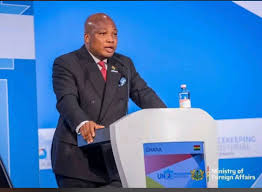
By Patrick Biddah
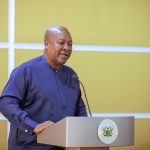
The Minister for Foreign Affairs, Samuel Okudzeto Ablakwa has issued a strong condemnation of renewed xenophobic attacks in South Africa, describing the violence as a betrayal of African unity, especially at a time when the continent is celebrating a historic diplomatic breakthrough at the United Nations.
Speaking on the matter, Samuel Okudzeto Ablakwa underscored the contradiction between recent global progress and troubling developments on the ground.
He pointed to the landmark United Nations resolution, backed by 123 countries, which recognizes the transatlantic slave trade as one of the gravest crimes against humanity.
The minister described the resolution as a defining moment for the Global South and people of African descent, signaling long-overdue acknowledgment of historical injustice.
More Read
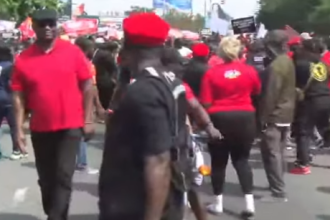
Against this backdrop, he said, the emergence of xenophobic violence among Africans is “deeply depressing” and wholly unacceptable.
The minister stressed that the victims of these attacks , many of them West Africans, including Ghanaians , have not committed any crimes nor provoked unrest.
Mr. Ablakwa also used the moment to remind South Africa and the wider continent of Ghana’s enduring commitment and support to the anti-apartheid struggle.
He highlighted that Ghana played a pivotal and sacrificial role in supporting South African liberation movements during the apartheid era.
He detailed that Ghana hosted South African freedom fighters, offering them refuge during some of the most dangerous years of apartheid.
“ We funded scholarships and provided accommodation, ensuring exiled activists could continue their education and sustain themselves”, he stressed.
“Extended financial and logistical support to the African National Congress, strengthening the resistance against apartheid rule”, he reteirated.
“ We Issued Ghanaian passports to South Africans in exile, enabling them to travel when they were otherwise restricted by the apartheid regime and were stateless “, he further added .
These contributions, he stressed, were not symbolic, they were tangible sacrifices made by Ghanaian taxpayers in the spirit of African solidarity.
Crucially, Mr. Ablakwa recalled that these efforts were not only historically documented but personally acknowledged by South Africa’s first president, Nelson Mandela.
In his autobiography, Long Walk to Freedom, Mandela explicitly recognized the inspirational role Ghana’s independence in 1957 played in galvanizing the anti-apartheid struggle.
The Minister further noted that Mandela reaffirmed this gratitude when he visited Ghana following his release from prison, during the administration of Jerry John Rawlings.
According to the minister, these historical bonds make the current wave of xenophobia even more painful. “It is a profound betrayal,” he suggested.
While acknowledging assurances from South African President Cyril Ramaphosa to investigate , the Minister maintained that more decisive action is required to protect foreign nationals and restore confidence.