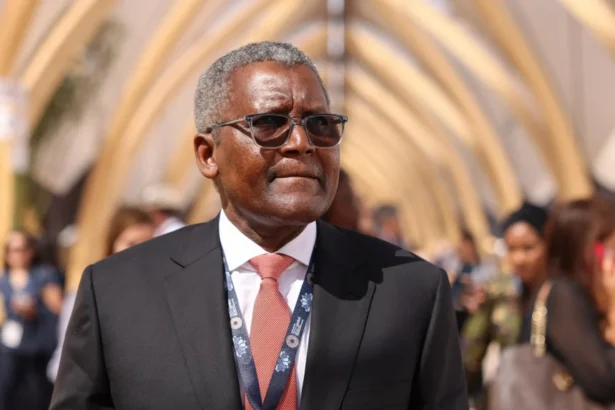
African business magnate Aliko Dangote has announced plans to partner with the Ghanaian government to invest in sugar production, a project expected to create nearly 50,000 jobs.
He made the announcement at the Invest in Ghana Summit in Accra on Monday, November 16, where he outlined plans to expand the Dangote Group’s investments in Ghana’s agricultural sector.
Mr Dangote said the proposed sugar investment would be complemented by investments in cocoa production as the group explores opportunities to expand local agricultural production and processing.
He said the terms of the partnership, including how the benefits would be shared, would be agreed with the government.
“We have already discussed that we are going to do sugar, which will create massive employment, almost 50,000 jobs,” he said.
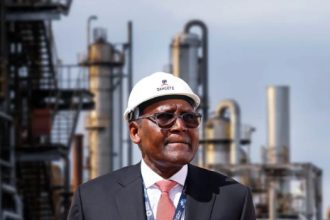
He added that similar arrangements were being considered for cocoa, saying the broader objective was to make Africa self-sufficient in the food it consumes.
“What we are trying to do is make Africa self-sufficient in what we consume. We will continue to export, just like what they did in Asia,” he said.
Mr Dangote also called for stronger collaboration between African governments and private investors to support farmers with financing, access to resources and guaranteed markets for their produce.
He said the group was prepared to explore partnerships that would help farmers increase production and supply raw materials to local industries.
The proposed sugar investment comes after Finance Minister Dr Cassiel Ato Forson disclosed that Mr Dangote had approached the government with a proposal to process 500,000 metric tonnes of cocoa locally.
Dr Forson said discussions were ongoing on the terms of the proposal, which could support Ghana’s target of processing at least 50 per cent of its cocoa locally by 2028 and achieving full local processing by 2030.
President John Mahama, in his address at the summit, said the Dangote Group’s planned investments, including the proposed sugar project in the Bono East Region, showed how African businesses could expand across borders.
He said such partnerships were important to industrialisation, job creation and stronger economic cooperation among African countries.